


From September 25 to 27, 2025, a delegation of over ten faculty and student representatives from Peking University’s School of International Studies visited the Faculty of Social Sciences at the University of Macau. The visit, organized under the Beijing-Hong Kong-Macau University Exchange Program funded by the Beijing Municipal Education Commission, included three days of academic exchanges and research activities. The theme of the exchange was "Building Green International Leadership and Cultivating High-level Talent," and included specialized seminars, college visits, academic lectures, and field research. The discussions focused on topics such as artificial intelligence and global governance, corporate green transformation, and cross-cultural communication, strengthening collaboration between the two universities in the areas of social science research paradigm innovation and talent development systems. The visit also injected new momentum into the high-quality development of academic disciplines and the enhancement of global governance capabilities among youth.
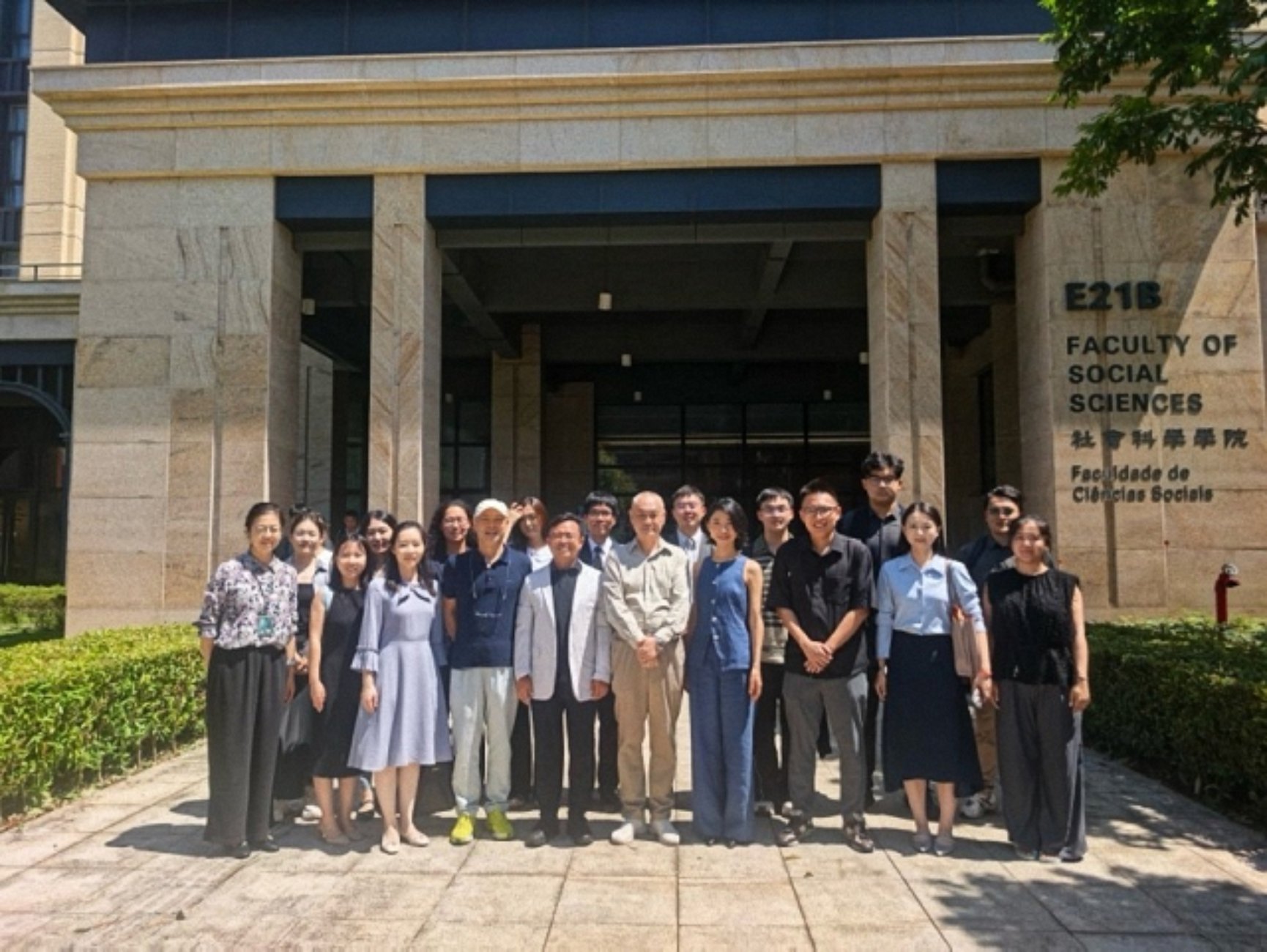
Group photo
The exchange visit was led by Zhu Yibo, Associate Dean of Peking University’s School of International Studies, with faculty members Pang Xun, Professor of International Relations, Wang Yizhou, Professor from the School of Computer Science, along with over ten other faculty and student representatives.
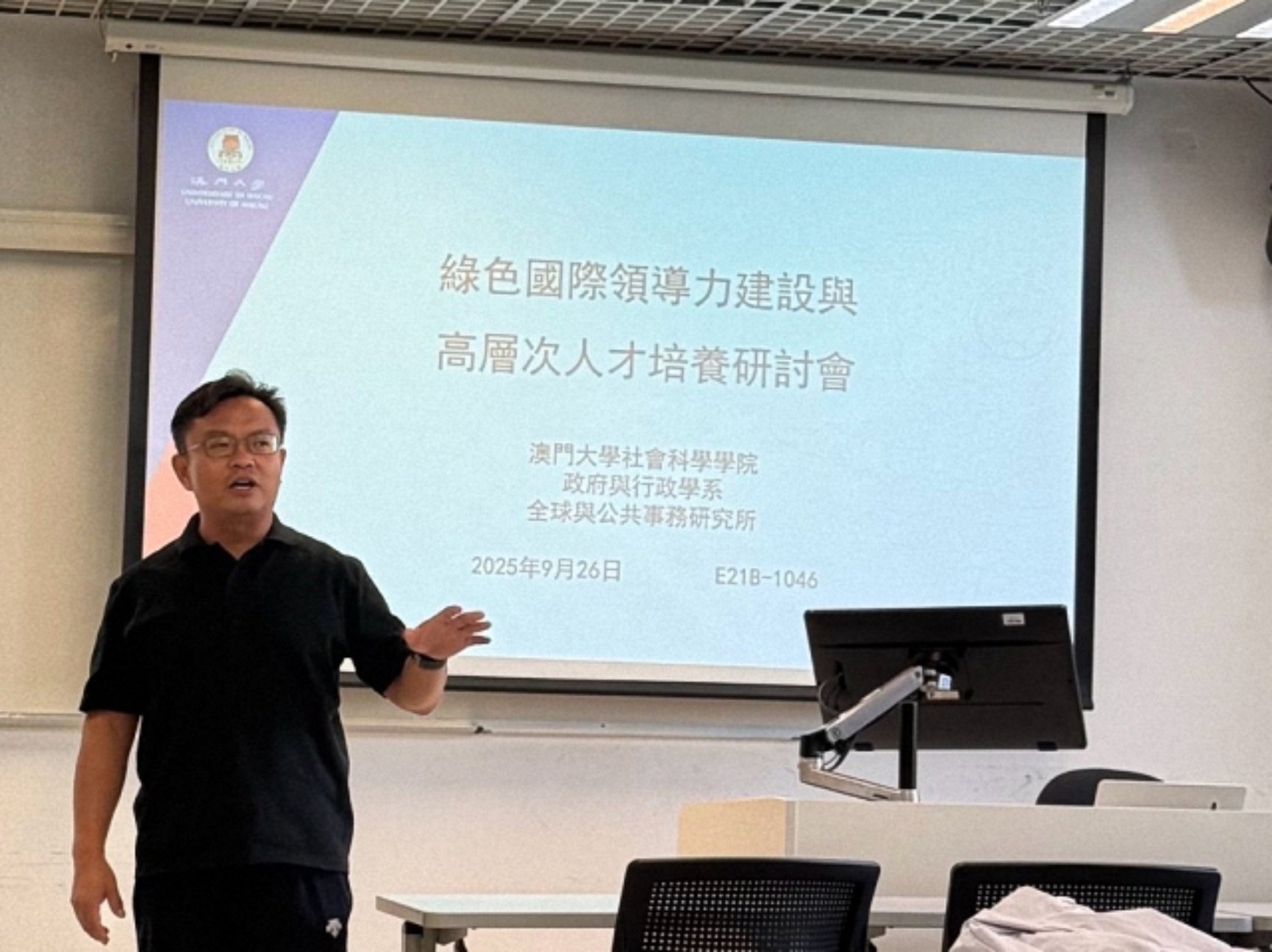
Associate Dean Zhu Yibo delivering a speech
Seminar on Cutting-edge Topics: Artificial Intelligence Empowerment and Green Transformation
On the morning of September 26, the "Seminar on Building Green International Leadership and Cultivating High-level Talent" was held at the University of Macau’s Faculty of Social Sciences. Professor Pan Wei, Chair of the Institute of Global and Public Affairs at the University of Macau, delivered the opening speech, titled "University of Macau and the 'Small but Beautiful' Macau," where he explored the university's innovative practices in interdisciplinary research and international talent cultivation, drawing from Macau's unique history and cultural role.
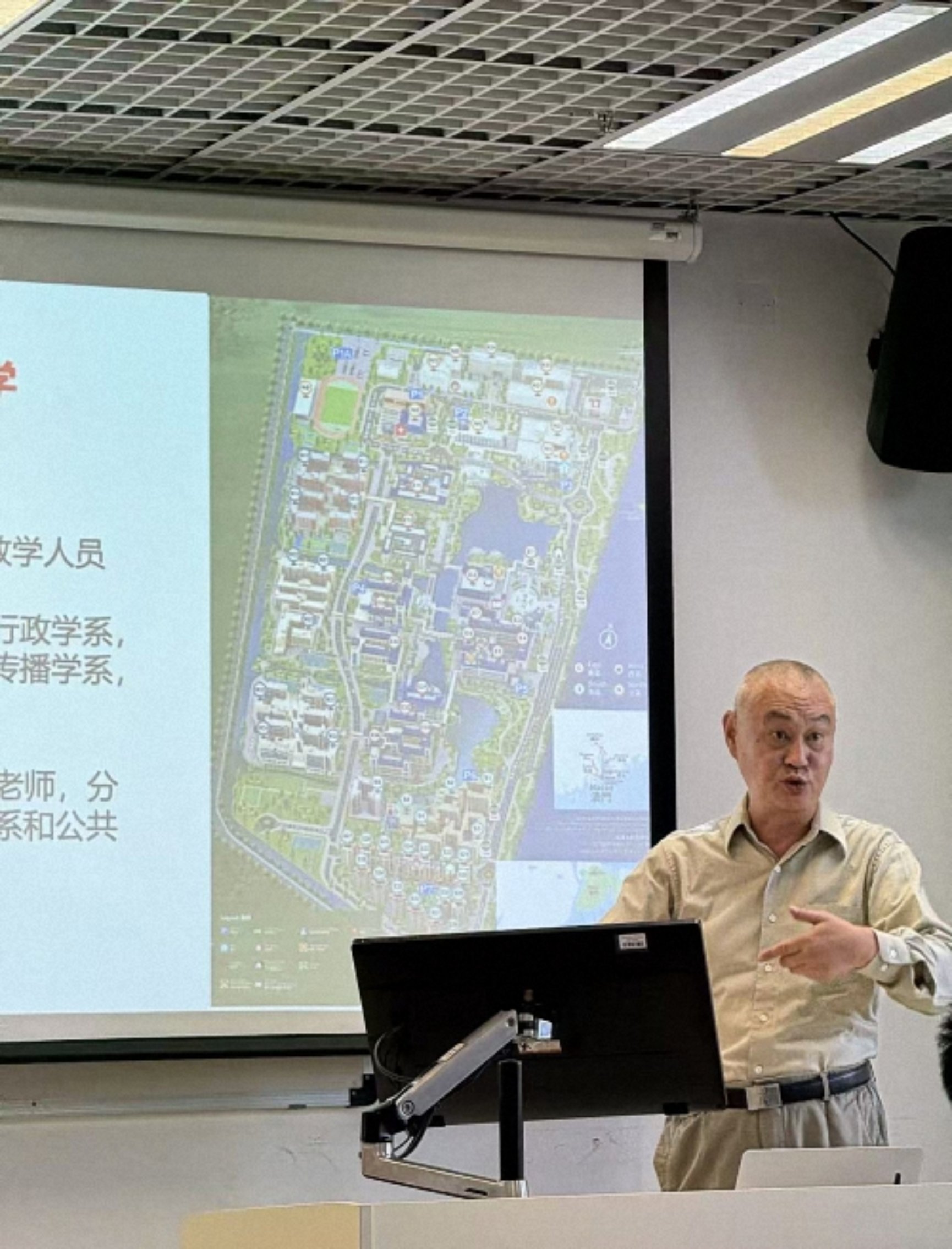
Professor Pan Wei delivering a lecture
During the specialized seminar session, Peking University’s faculty and students showcased their cutting-edge research. Master's student Xie Meng and PhD student Li Guanru presented on "Artificial Intelligence Empowering Global Governance: Capabilities, Boundaries, and Collaborative Pathways," highlighting the potential of artificial intelligence in transforming social sciences research into a "fifth paradigm," including applications in text analysis, international event recognition, policy modeling, conflict prediction, and geopolitical simulations. PhD student Wang Huiyi analyzed the green energy transition pathway of BP, developing a five-dimensional leadership analysis model that includes resource-driven, cognitive-shaping, experimental-demonstration, network-building, and value-guiding dimensions. This model provided a comprehensive analysis of corporate strengths and weaknesses, and reflected the School’s active exploration of interdisciplinary construction, contributing to theoretical innovation in green international governance.
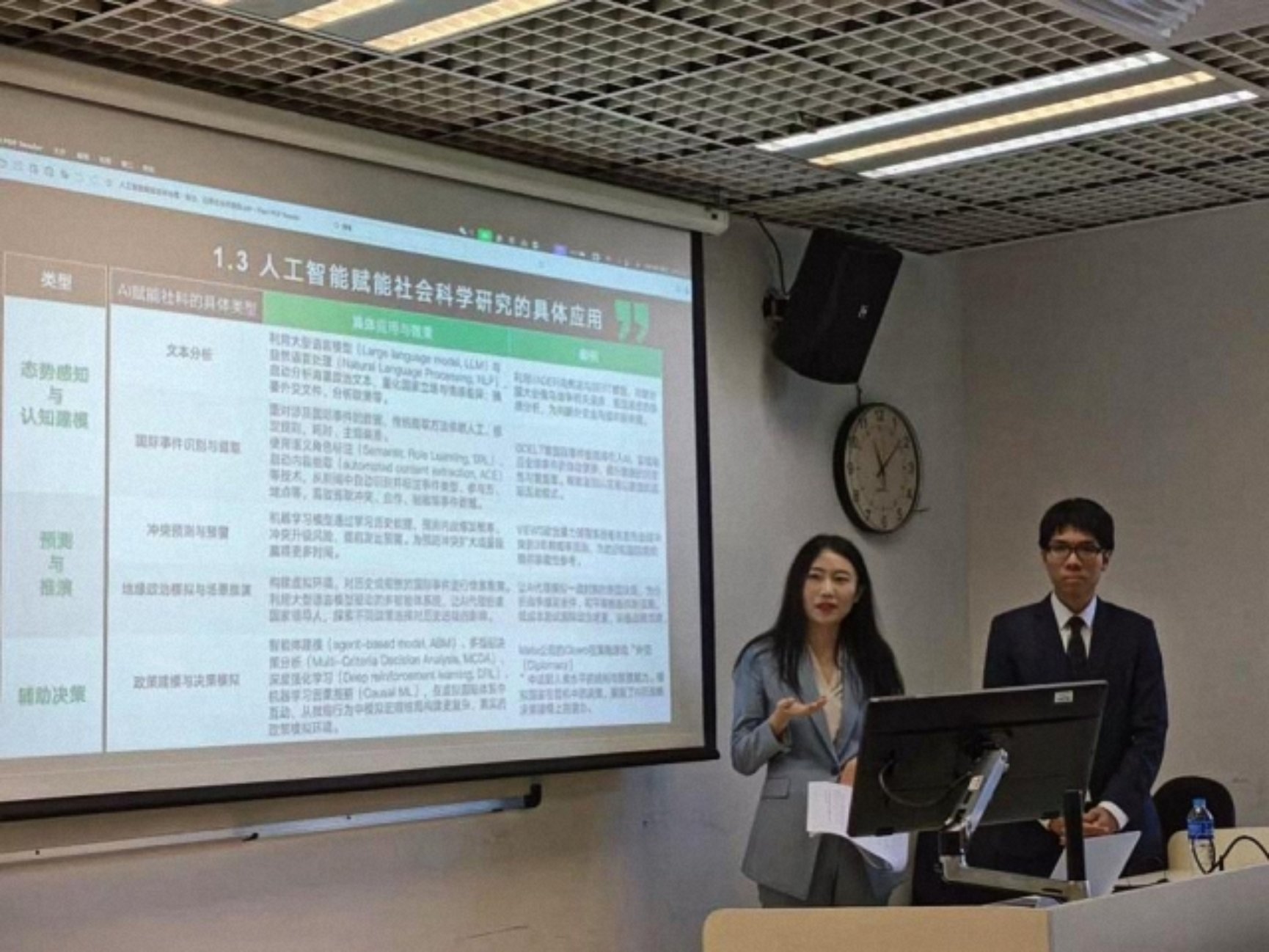
Xie Meng and Li Guanru presenting on their research
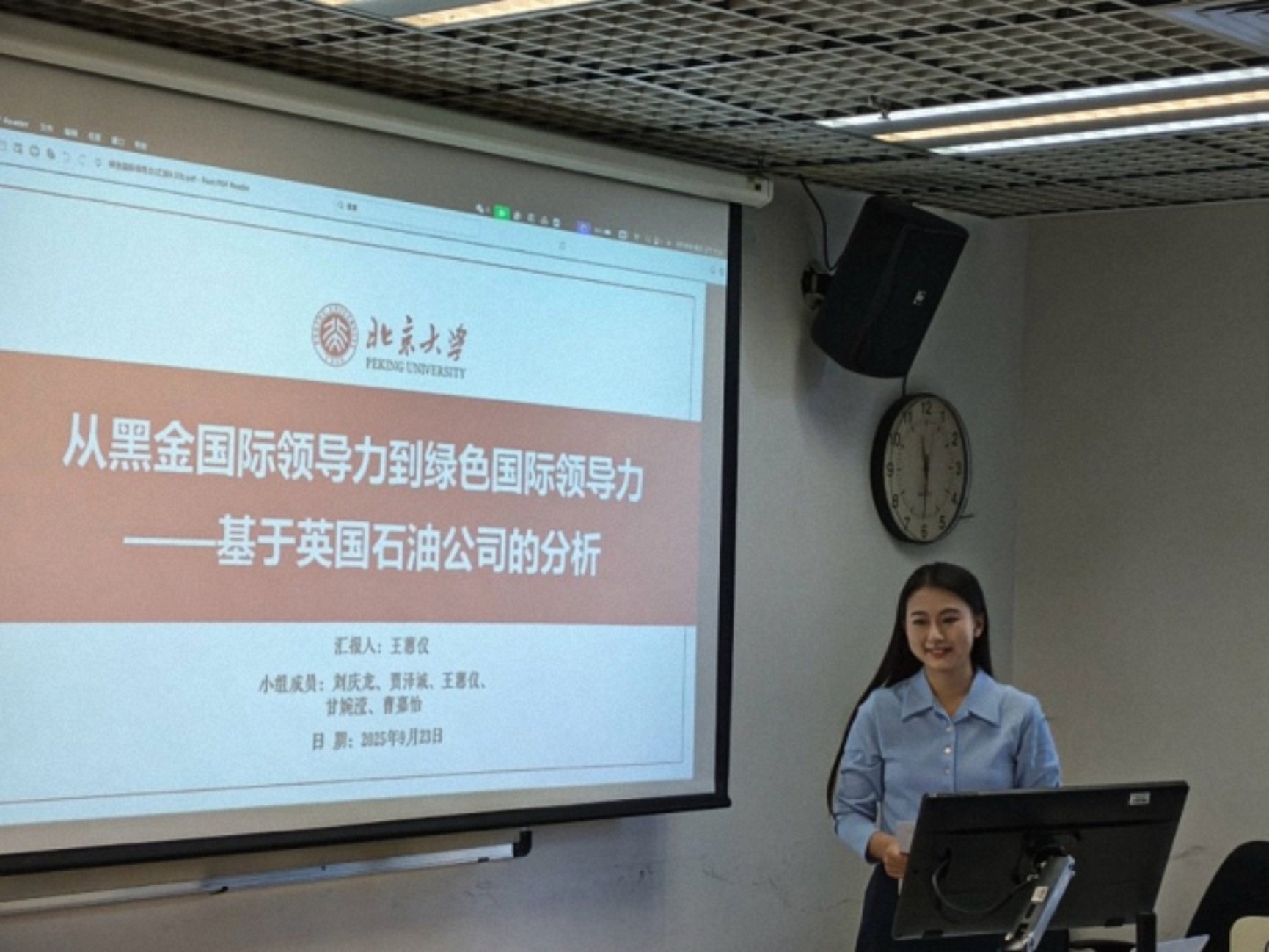
Wang Huiyi presenting on green energy transition
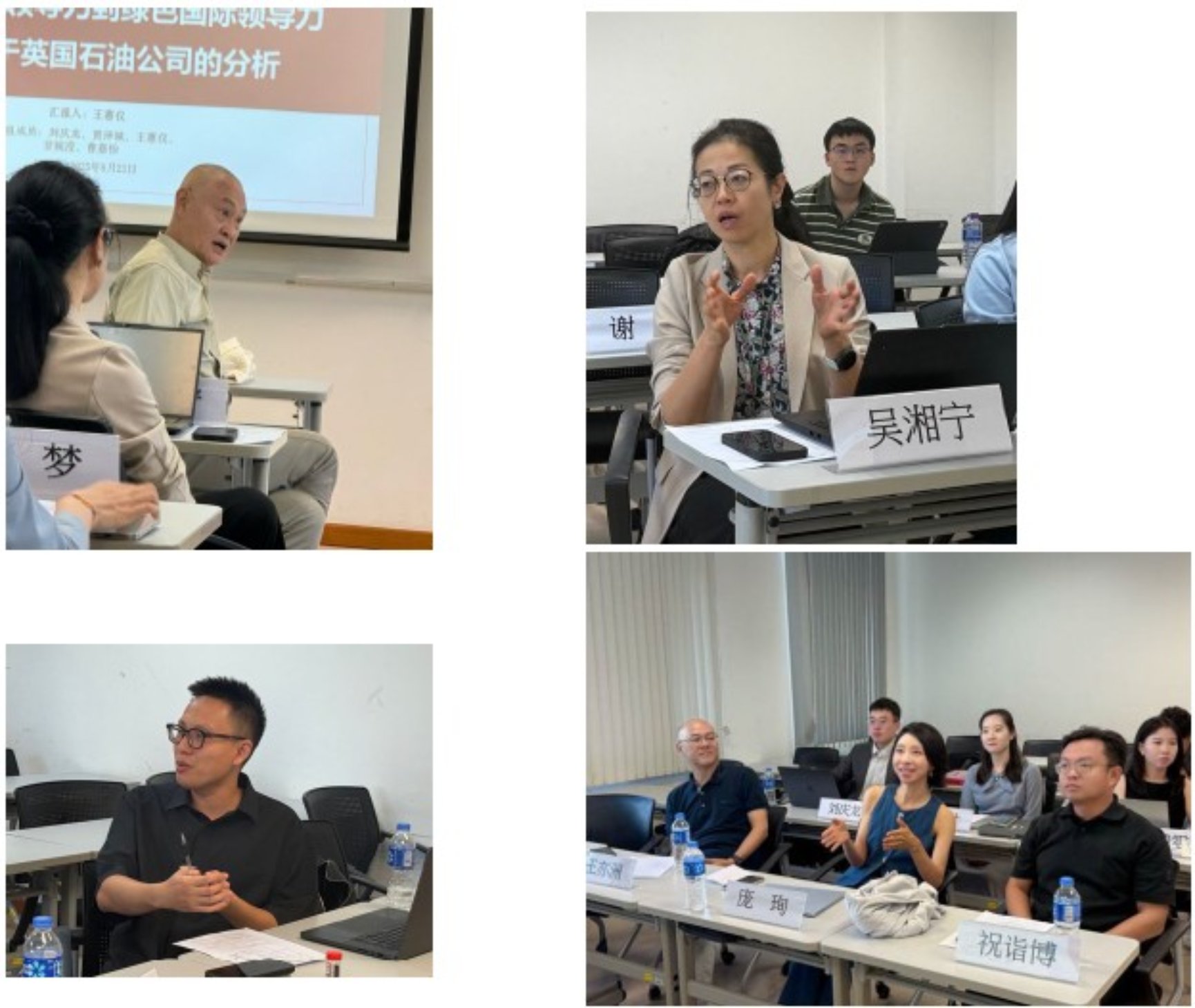
Discussion session during the seminar
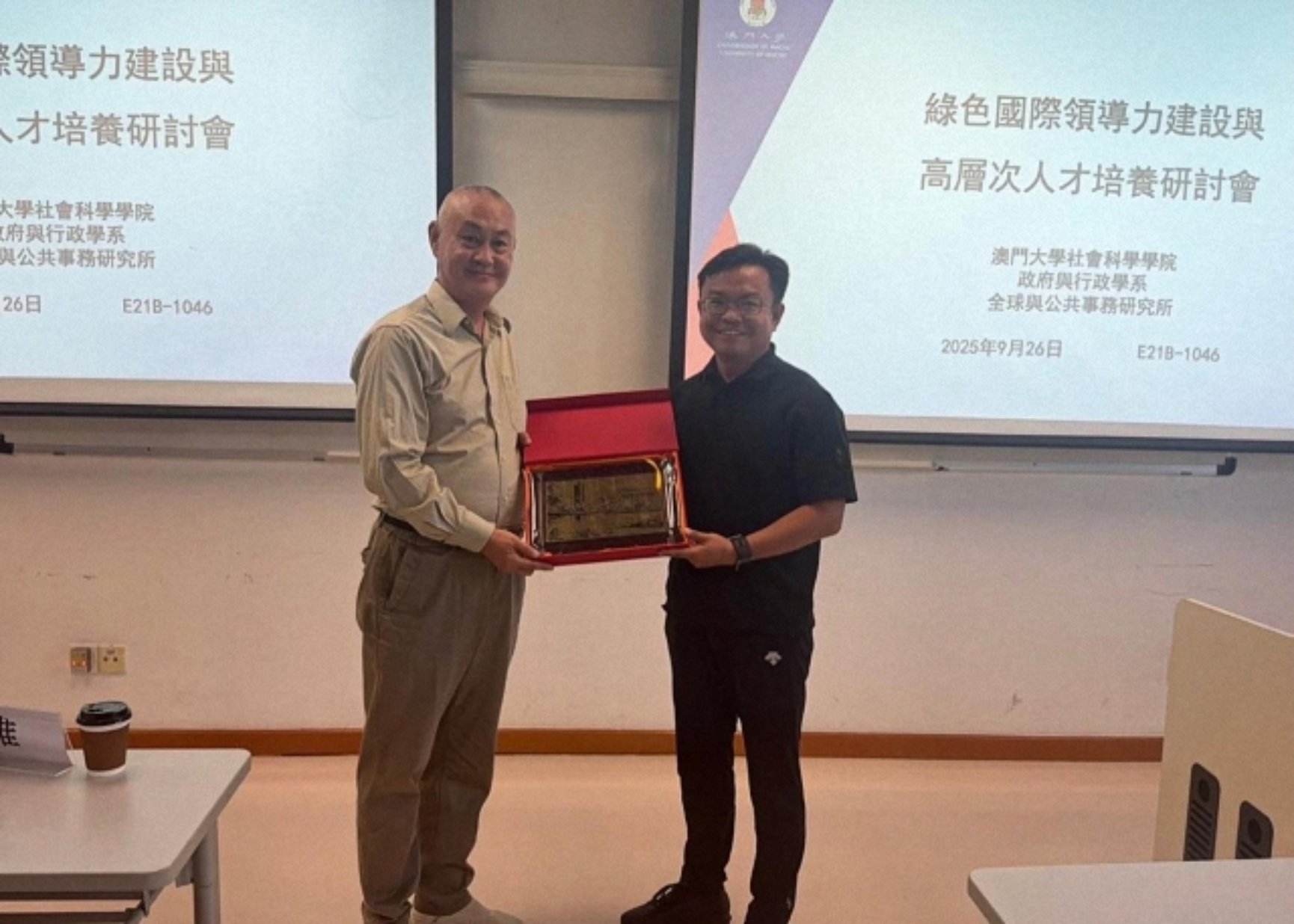
Associate Dean Zhu Yibo presenting a gift to Professor Pan Wei
Experience the "Four-in-One" Education Model at the College
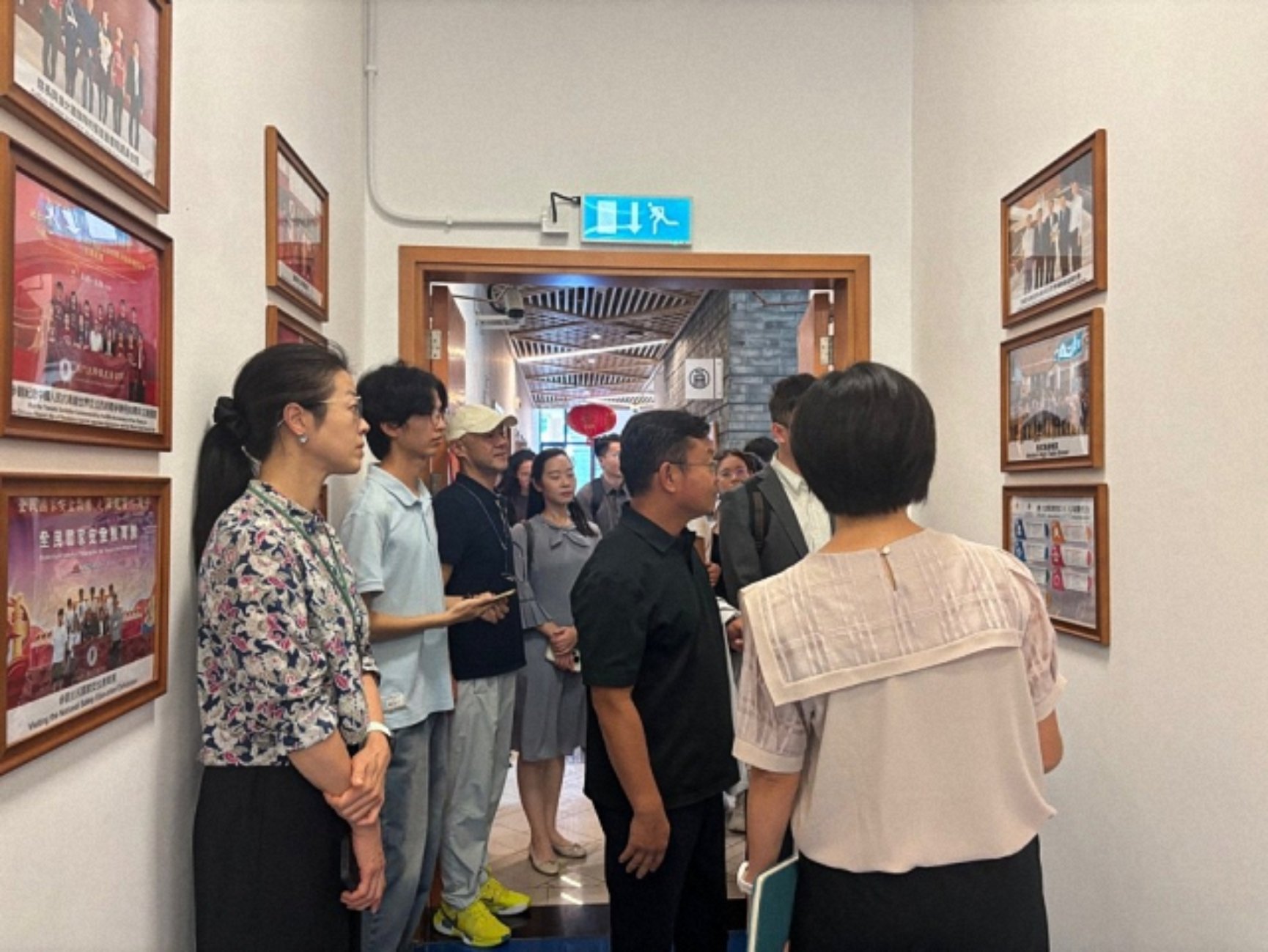
Delegation visiting Zhang Kunlun College at the University of Macau
On the afternoon of September 26, the delegation visited Zhang Kunlun College at the University of Macau, touring the college’s public spaces and living facilities, and engaging in discussions with faculty and students about talent cultivation models. The college leadership introduced the "four-in-one" educational philosophy, which integrates professional education, general education, research education, and community education to provide systematic support for student growth.
In a follow-up lunch discussion, both sides exchanged views on "Talent Cultivation Pathways for International Relations in the New Era," covering topics such as curriculum innovation, strengthening practical teaching, and developing global competence. This holistic education approach provided useful insights for Peking University’s ongoing educational reforms.
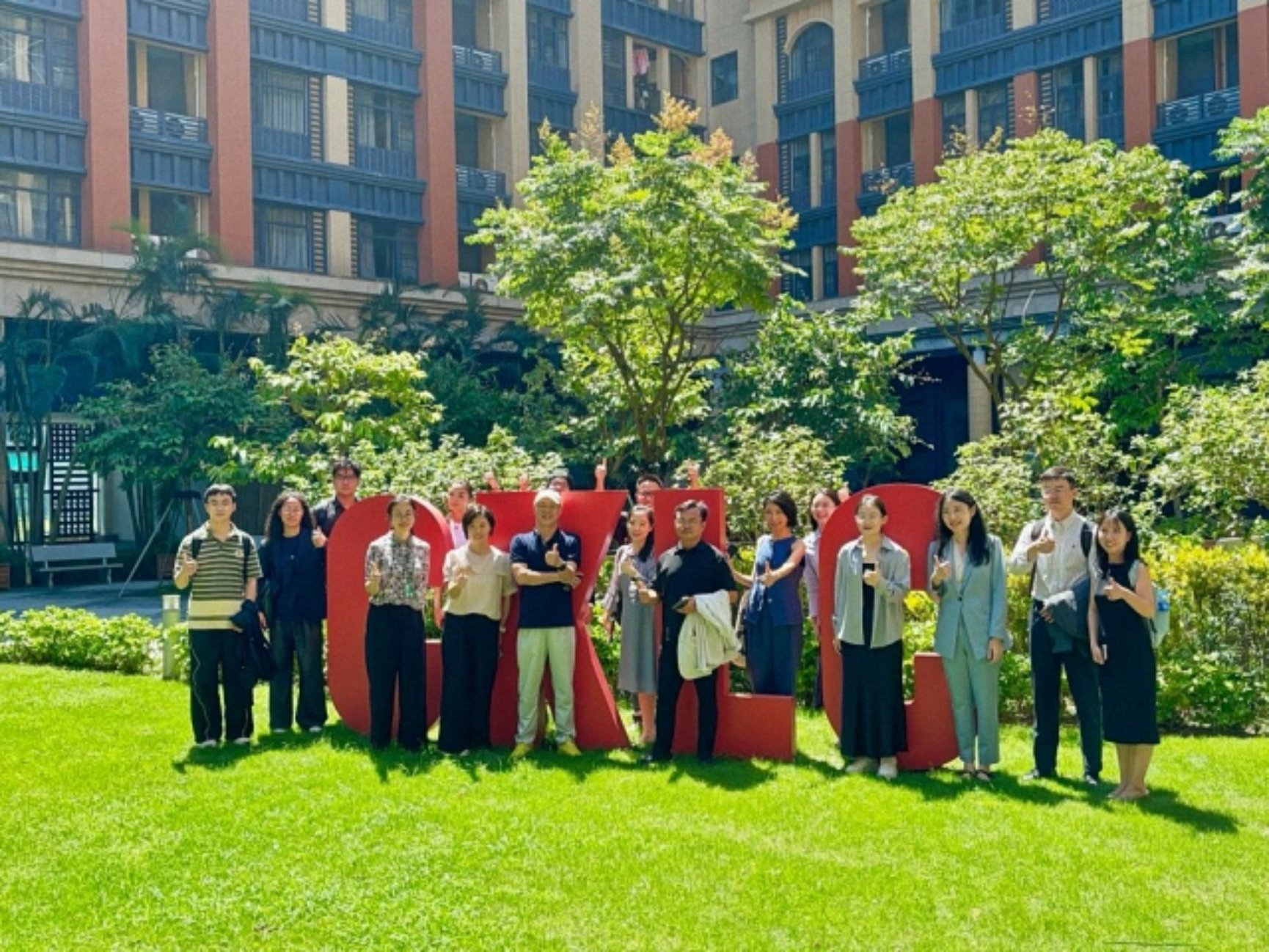
Group photo at Zhang Kunlun College
Expanding the Scope of Cooperation: Academic Lectures and Sports Interactions
In the afternoon of September 26, Professor Pang Xun from Peking University, Director of the Global Risk Political Analysis Laboratory, gave an academic lecture titled "Hawkish Bias in Geopolitical Decision-Making: Comparative Experiments with Human and LLM Agents" at the University of Macau’s Faculty of Social Sciences. The lecture analyzed the decision-making mechanisms in international conflicts from a political psychology perspective, sparking lively discussions on geopolitical risks, diplomatic decision-making, and the application of quantitative methods in social sciences. Assistant Professor Yin Weiwen from the University of Macau chaired the seminar, and Professor Wang Yizhou from Peking University’s School of Computer Science addressed the current issues and difficulties in applying AI to social science research, which will likely be overcome as AI technology advances.
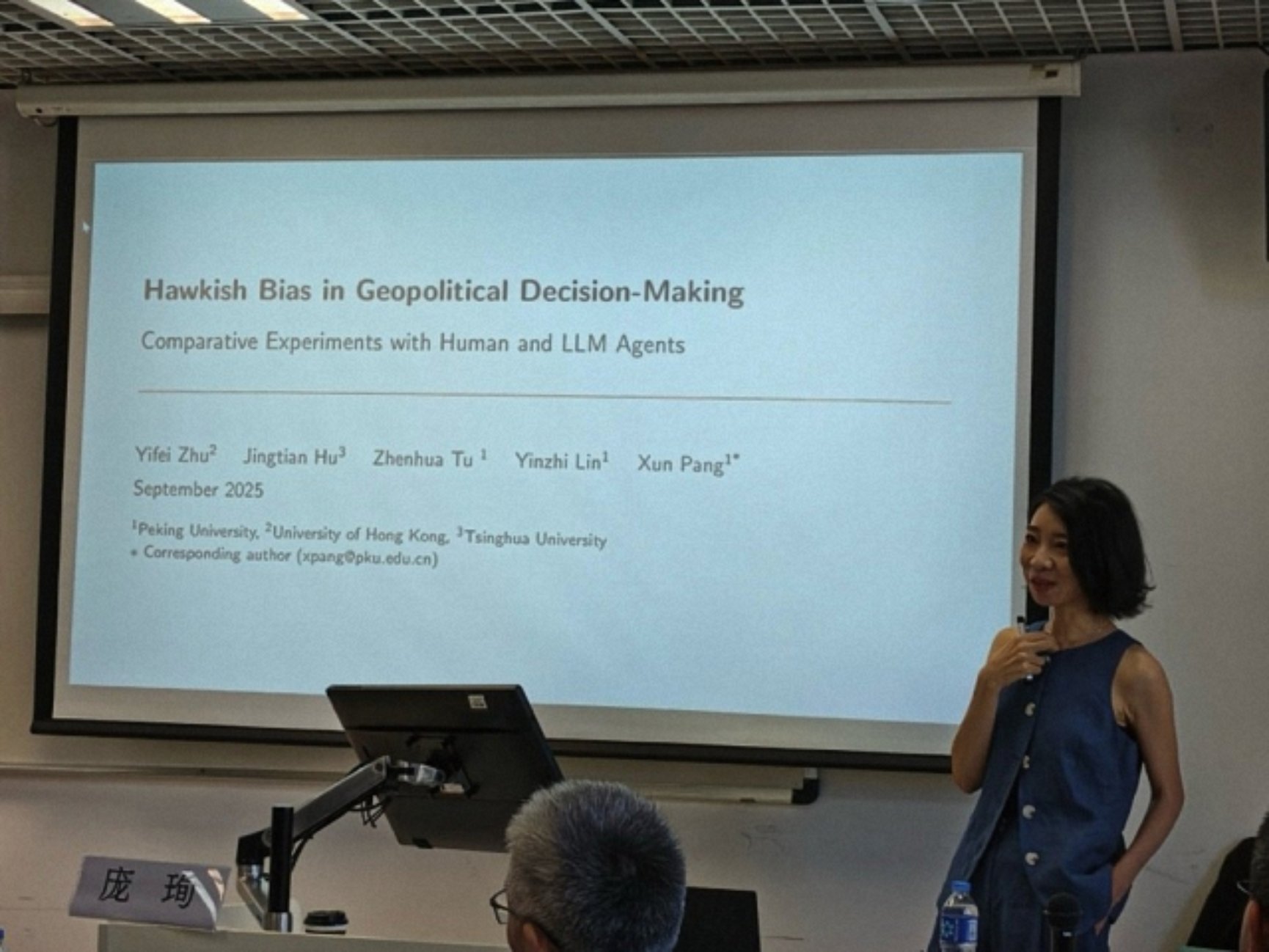
Professor Pang Xun delivering an academic lecture
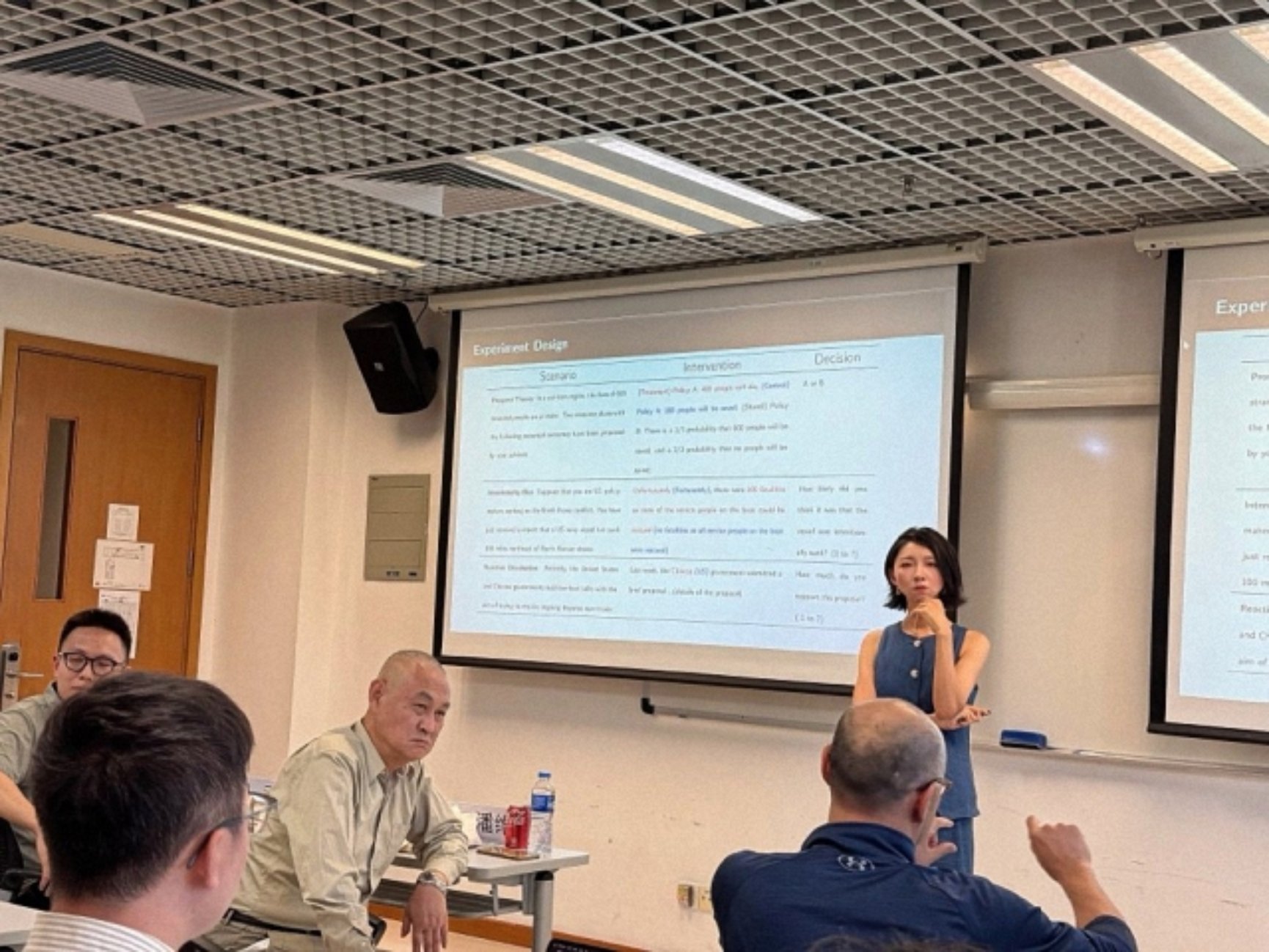
Discussion following Professor Pang Xun’s lecture, with Professor Wang Yizhou and Professor Pan Wei participating
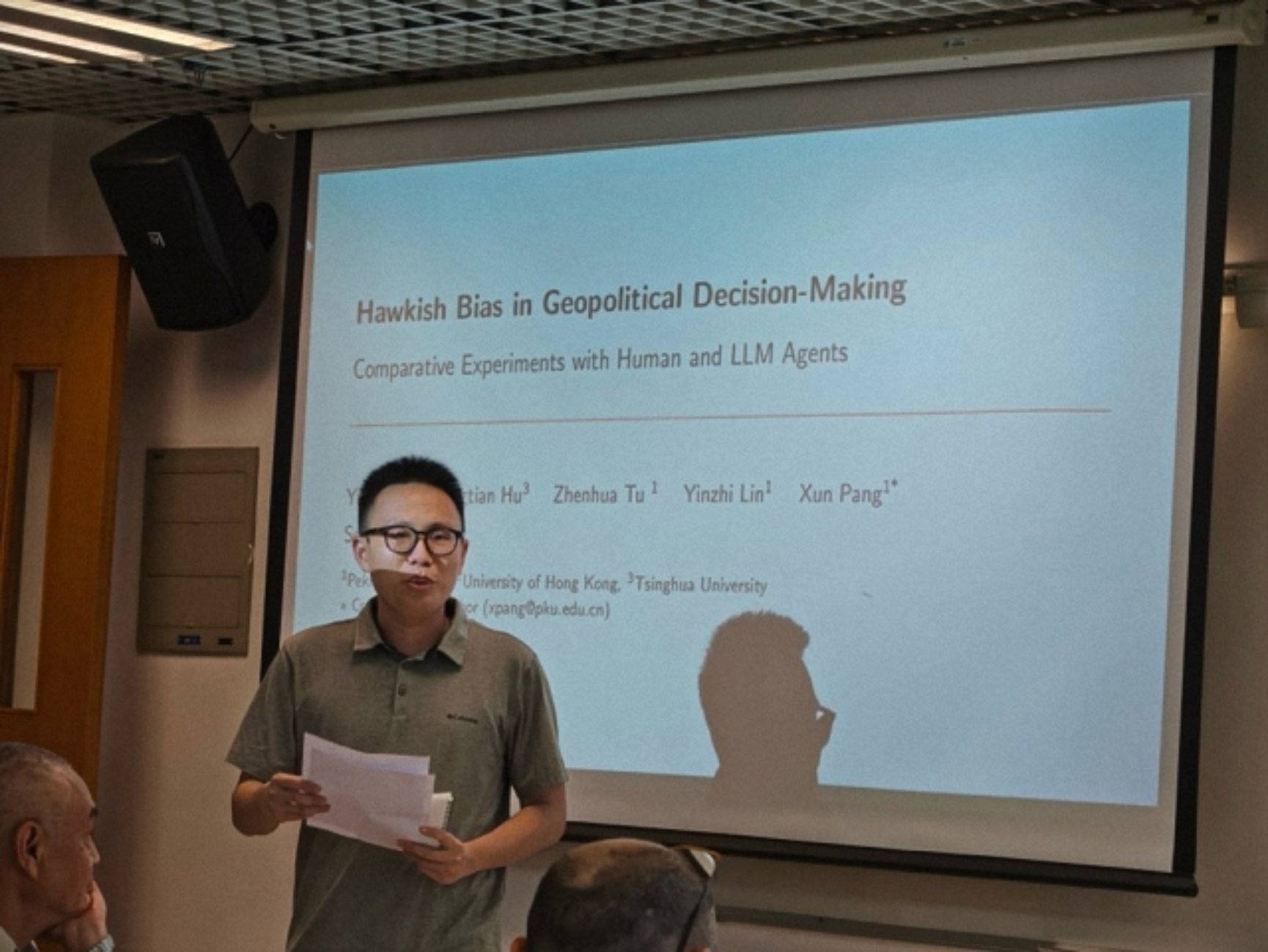
Assistant Professor Yin Weiwen hosting the lecture discussion
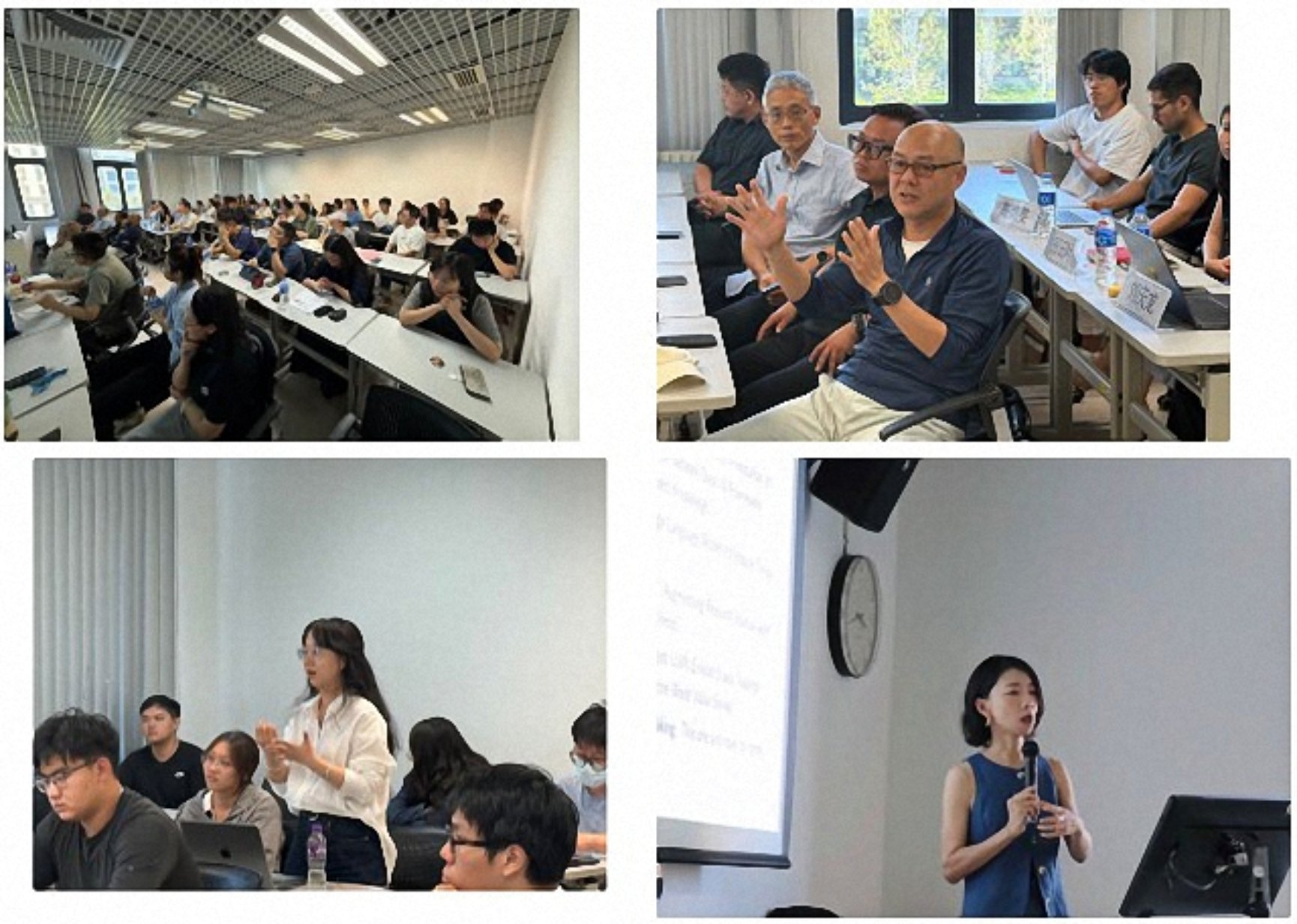
The lively atmosphere of the lecture’s discussion session
Later that evening, a "Peking University – University of Macau Tennis Friendship Match" was held at the University of Macau’s tennis courts, adding an active and lively exchange element to the visit. Faculty and students from both universities participated in the tennis match, using sports as a medium for cultural integration and embodying the concept of "civilization exchange and lasting friendship."
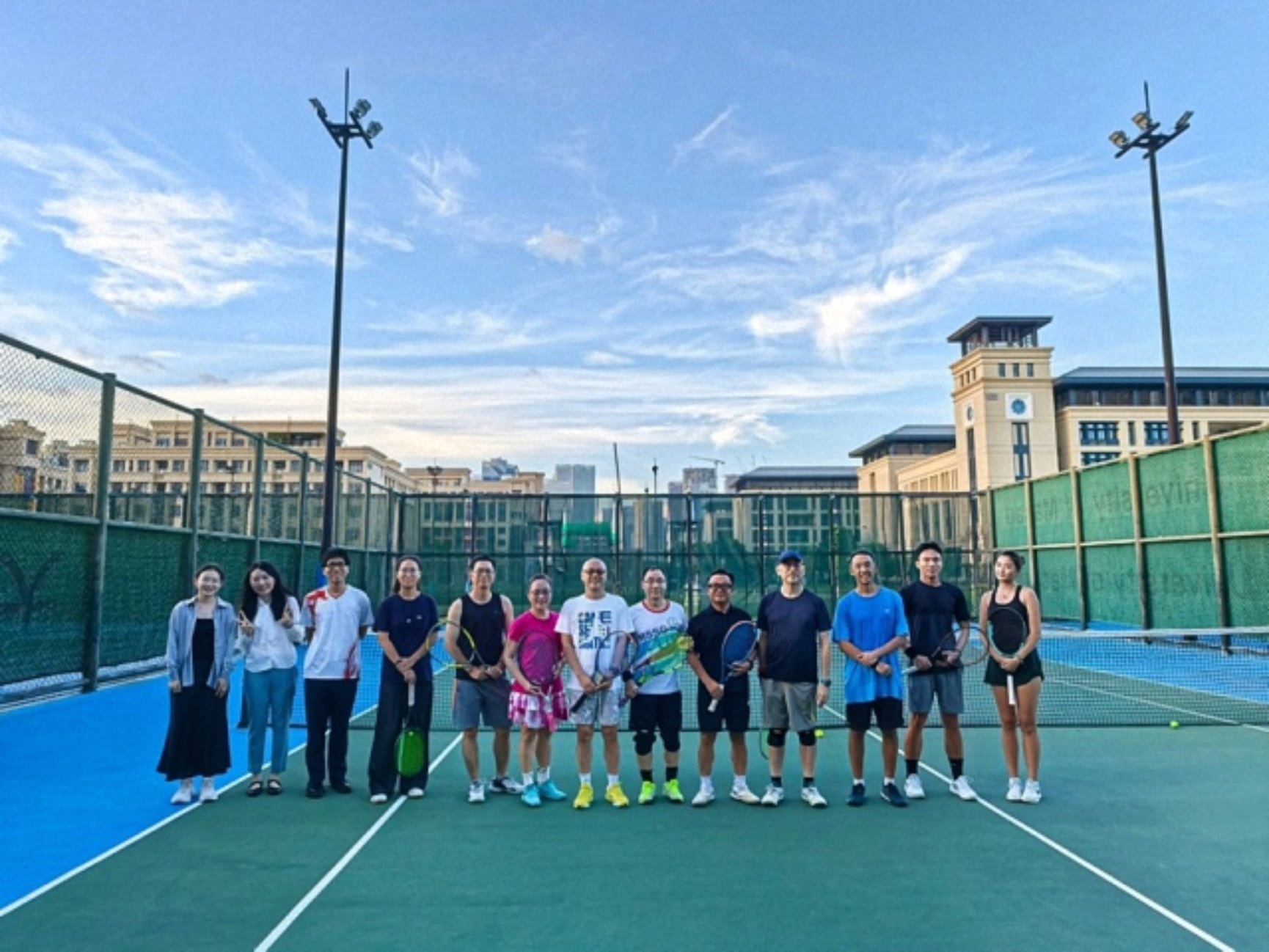
Tennis friendship match between Peking University and University of Macau students and faculty
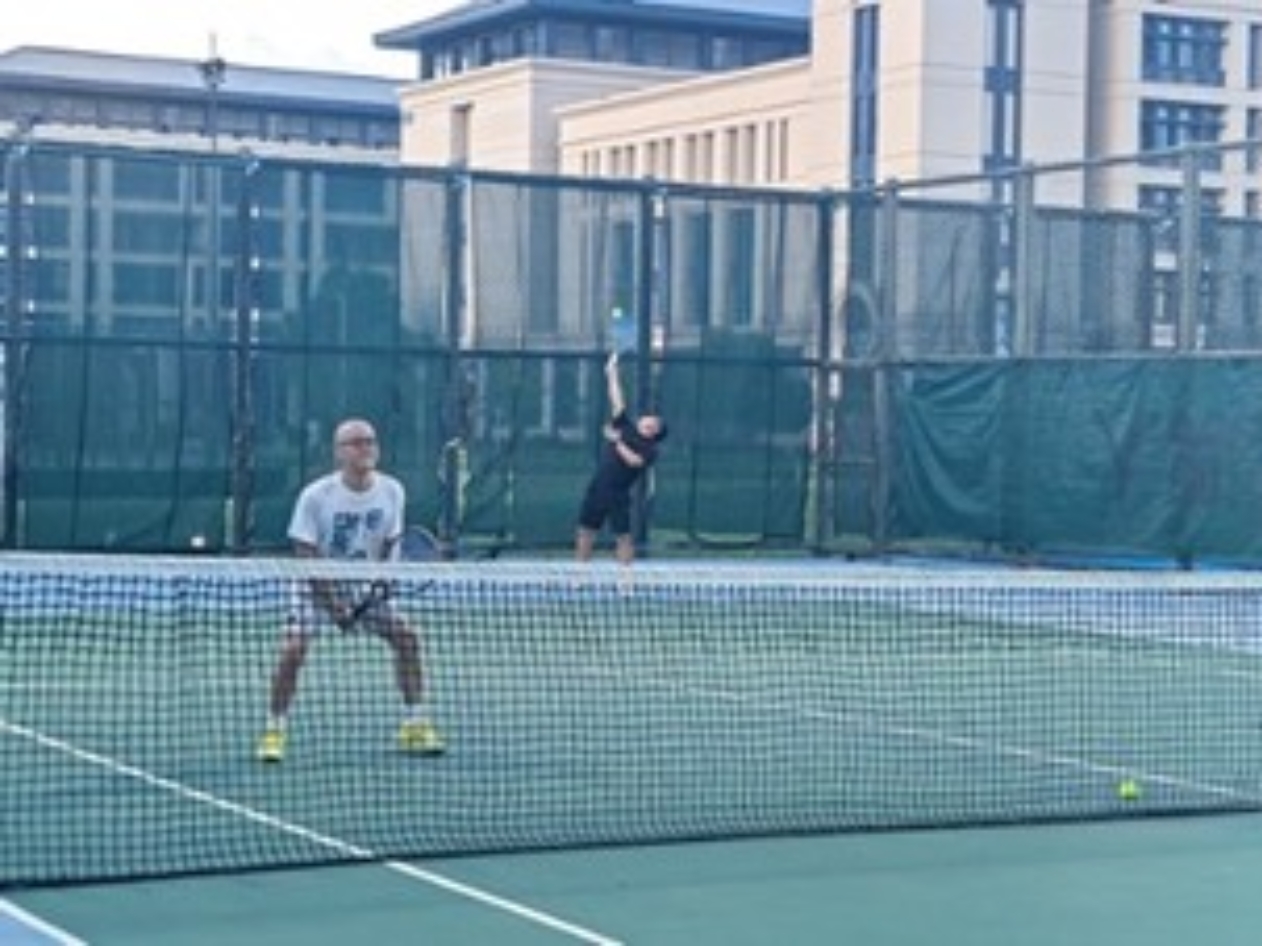
Exciting moments during the tennis match
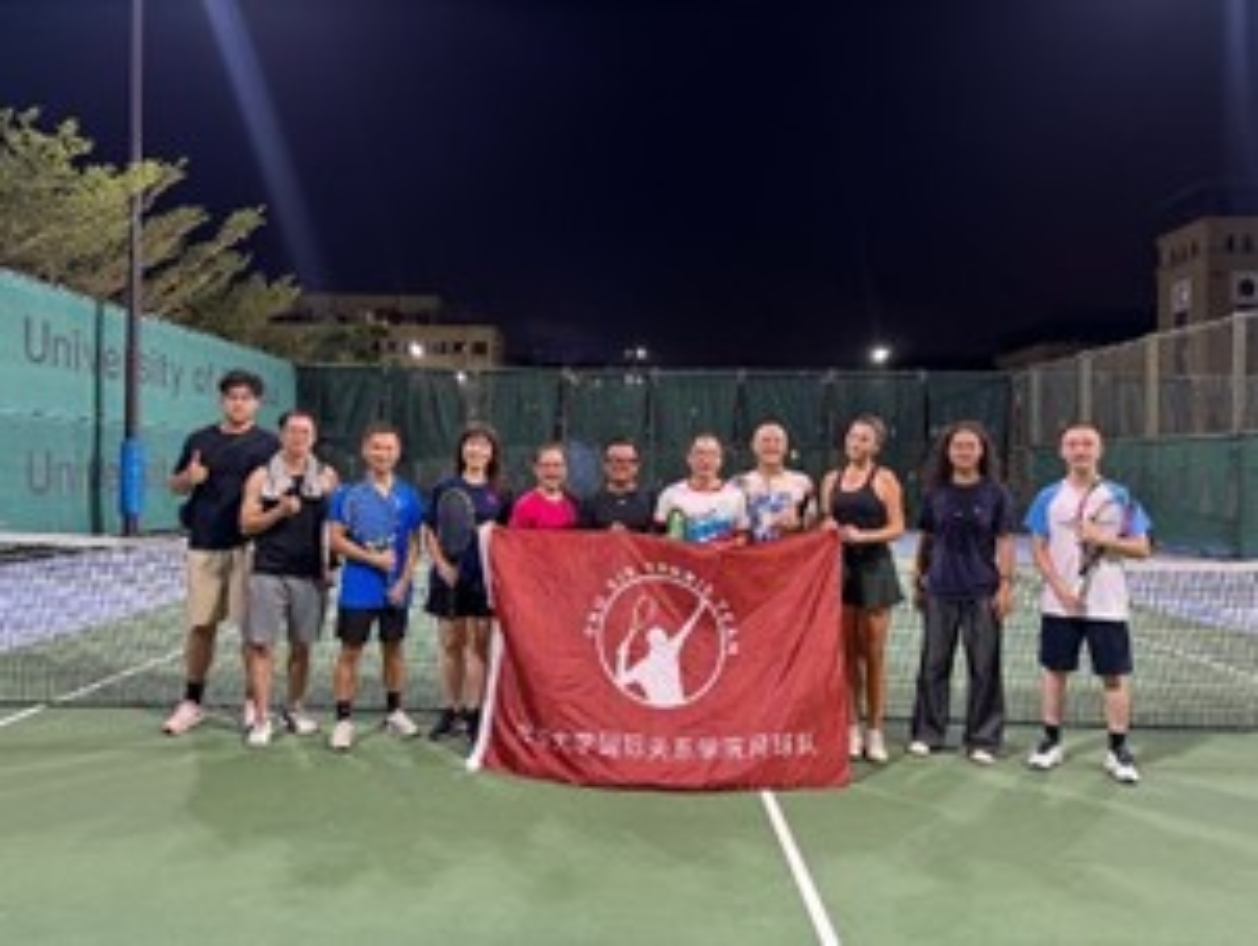
Group photo of the tennis match participants
Exploring Macau: Industrial Transformation and Cultural Preservation Practices
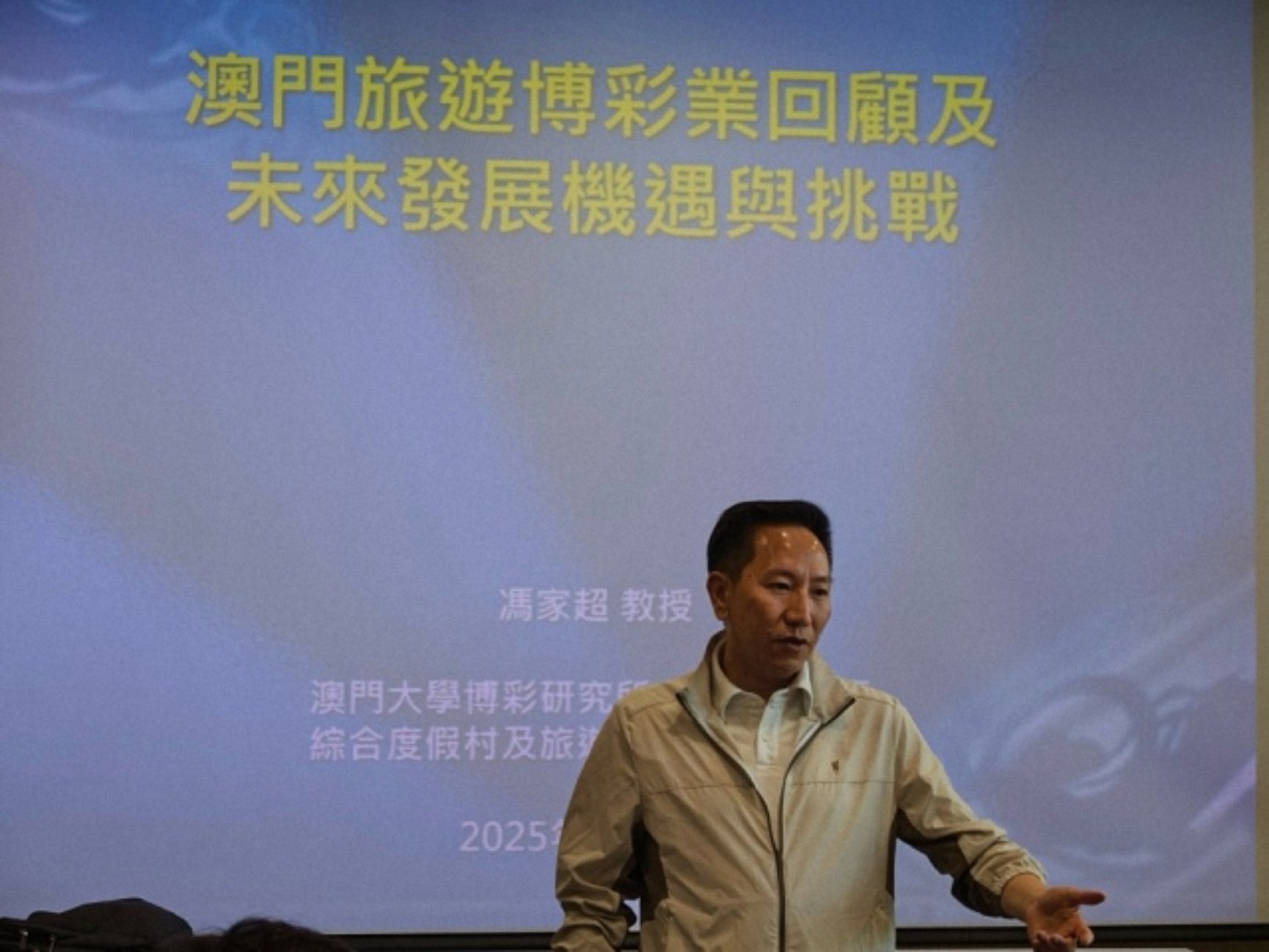
Professor Feng Jiachao’s lecture on Macau's tourism and gaming industry.
On September 27, the delegation engaged in a series of field research activities. They attended a lecture by Professor Feng Jiachao from the University of Macau titled "Macau’s Tourism and Gaming Industry Review and Future Development Opportunities and Challenges," which provided a deep analysis of the transformation pathways of Macau's unique industries, offering a typical case for understanding regional economic governance.
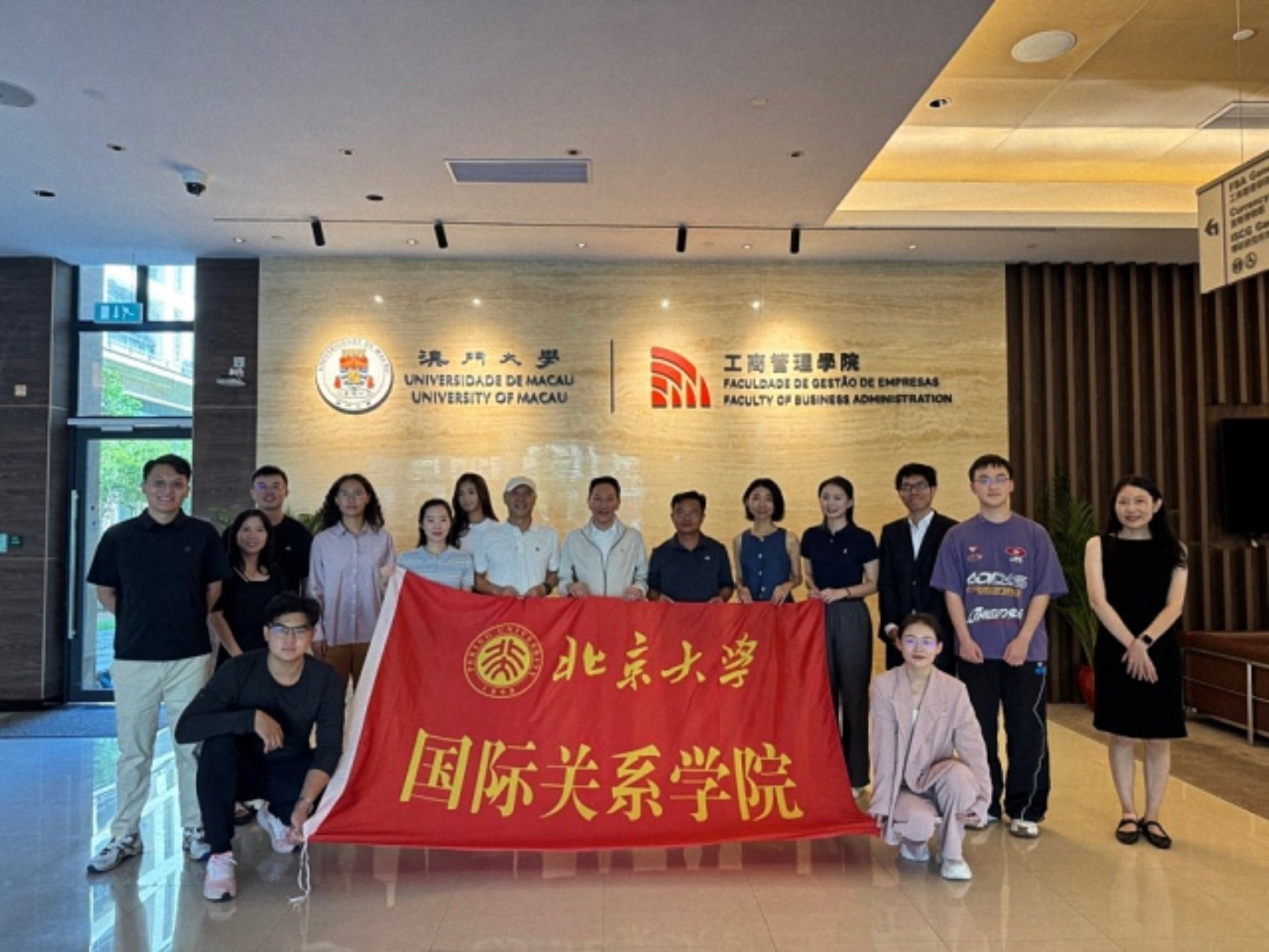
Group photo with Professor Feng Jiachao at the University of Macau’s Faculty of Business Administration
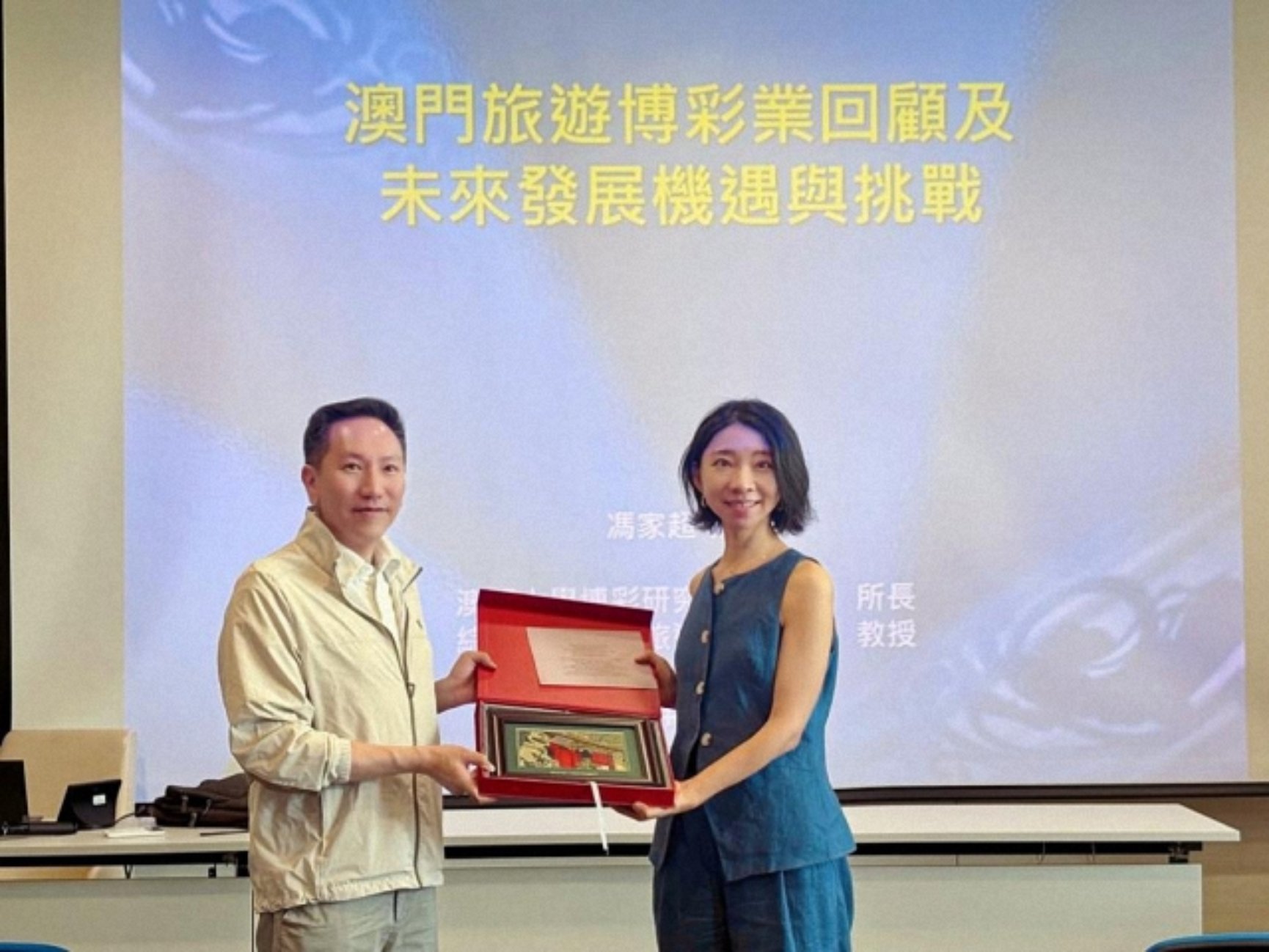
Associate Dean Zhu Yibo presenting a gift to Professor Feng Jiachao
In the afternoon, the delegation visited Macau’s historic districts and green industry parks, where they witnessed how Macau balances cultural heritage preservation and green development within the "One Country, Two Systems" framework. This integration of classroom learning and social research effectively deepened the students’ understanding of green leadership practices and laid a solid foundation for cultivating governance talents with both a global perspective and local concerns.
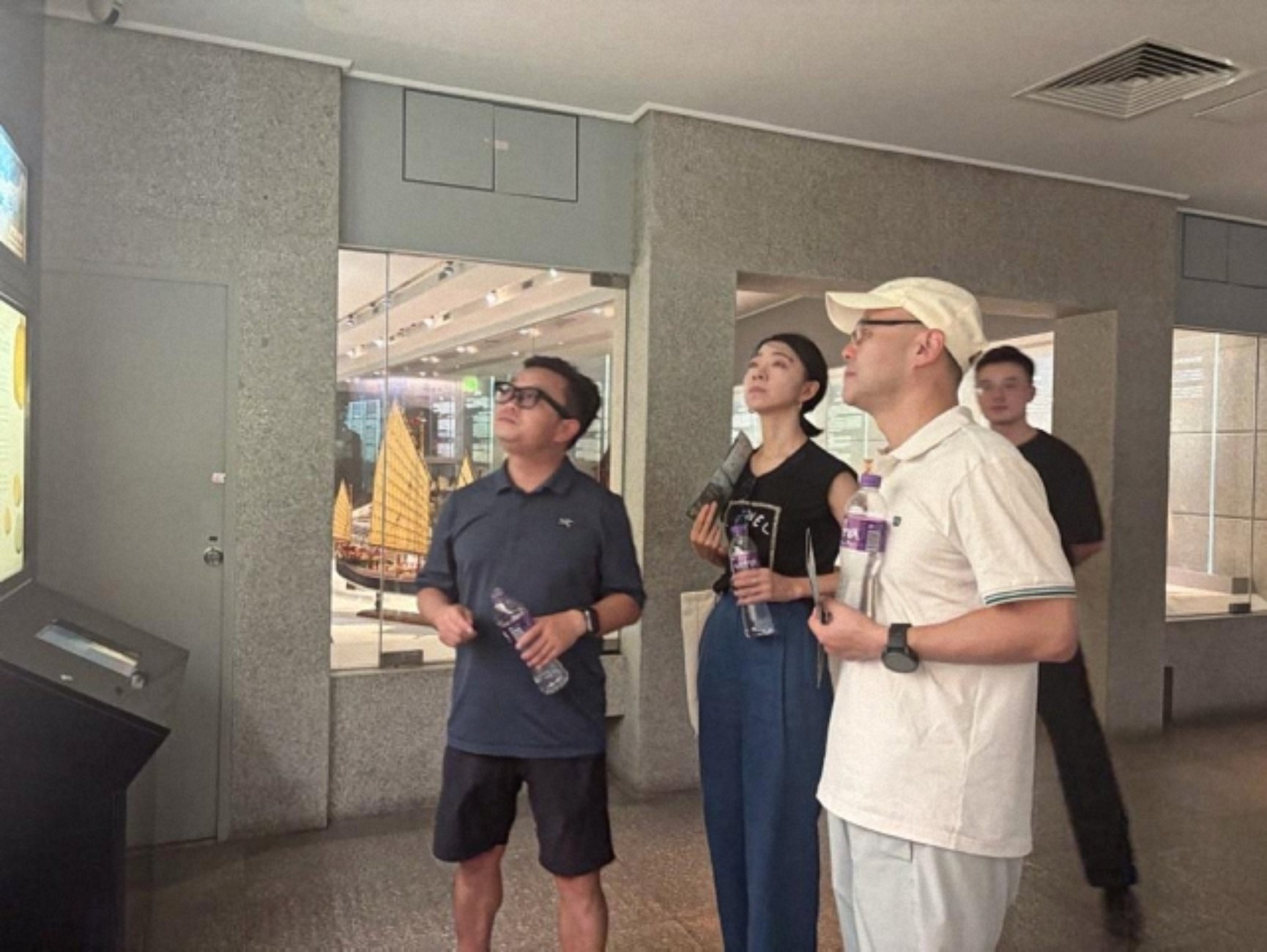
Delegation visiting the Macau Museum
This research and exchange visit marked a significant step in strengthening the cooperation between Peking University and the University of Macau under the "Beijing-Hong Kong-Macau University Exchange Program." Through three days of in-depth exchanges, the faculty and students not only expanded their research perspectives on topics such as green governance, artificial intelligence, and international relations, but also explored innovative paths for interdisciplinary integration.
Looking ahead, the School of International Studies will continue to leverage the Beijing-Hong Kong-Macau cooperation platform to expand international academic exchange networks, innovate educational practices, and guide young students in honing their green leadership capabilities for global governance and regional cooperation, contributing to the cultivation of talented individuals who will take on the great responsibility of national rejuvenation and possess global competitiveness.
Text by: Gan Wanying, Xie Meng
Images by: Exchange Faculty and Students
Edited by: Zhu Yibo