


On January 9, 2026, the School of International Studies (SIS), Peking University, convened its 2026 Strategic Development Seminar at the Qiulin Lecture Hall.
Jiang Guohua, Vice Chair of the Peking University Council; Chu Xiaobo, Director of the Office of Humanities and Social Sciences; Zhang Xifeng, Director of the Office of Continuing Education; Li Zhong, Director of the Office of Infrastructure and Capital Construction; Yao Jingyi, Party Branch Secretary and Director of the Catering Service Center; Liu Jianbo, Deputy Director of the Office of Undergraduate Education; Zhou Jing, Deputy Director of the Office of International Relations; Geng Shu, Deputy Secretary-General of the Peking University Education Foundation; and Wang Yang, Deputy Secretary of the Youth League Committee, attended the meeting along with representatives from relevant university offices.
The seminar was also attended by Tang Shiqi, Dean of SIS; Wang Zhengyi, Chair of the Academic Committee; Vice Deans Zhang Haibin, Gui Yongtao, Zhu Yibo, and Dong Zhaohua; Deputy Party Secretaries Xiang Zuotao and Zhang Xinyang; members of the Senior Faculty Teaching Supervision Group Liu Jinzhi, Huang Zongliang, and Yin Hongbiao; as well as more than 80 faculty and staff members. The meeting was chaired by Kang Tao, Party Secretary of SIS.
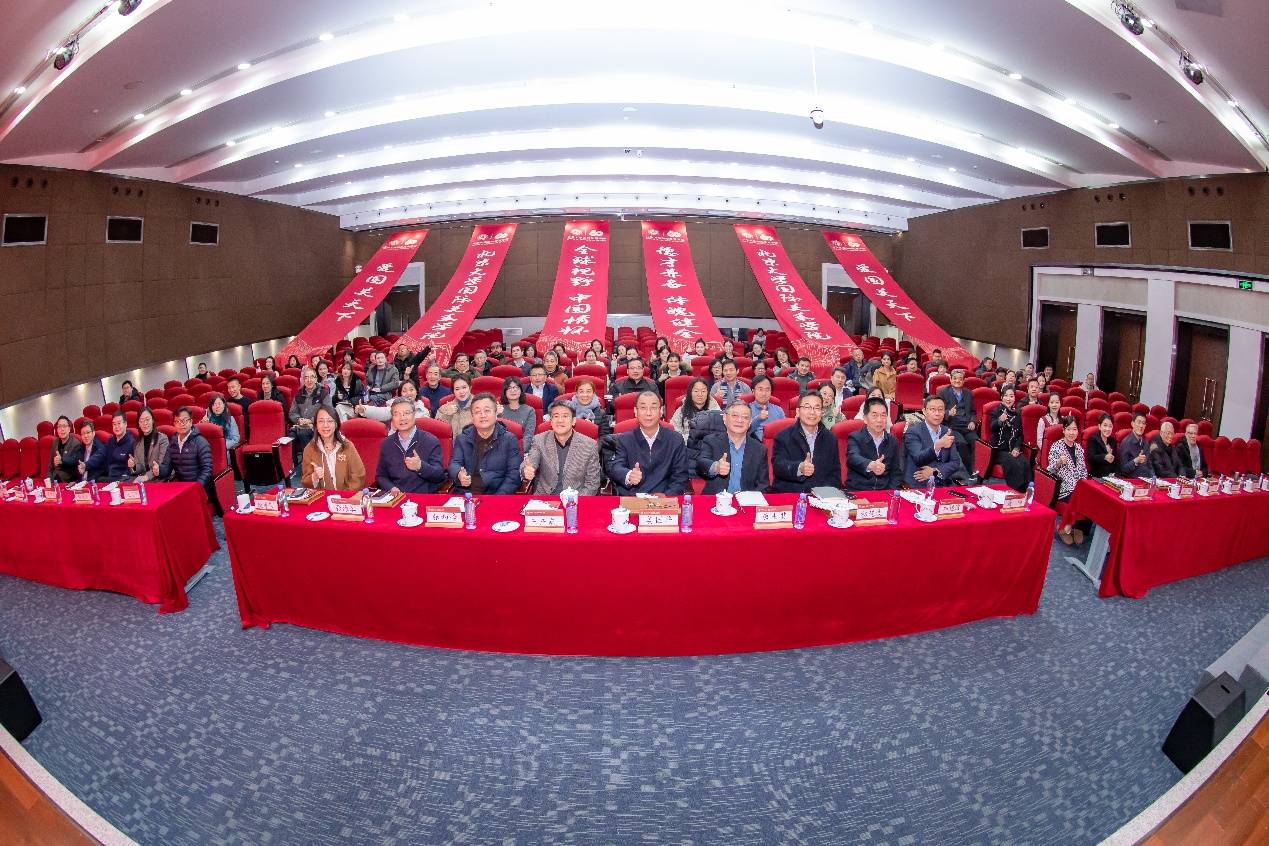
Group Photo
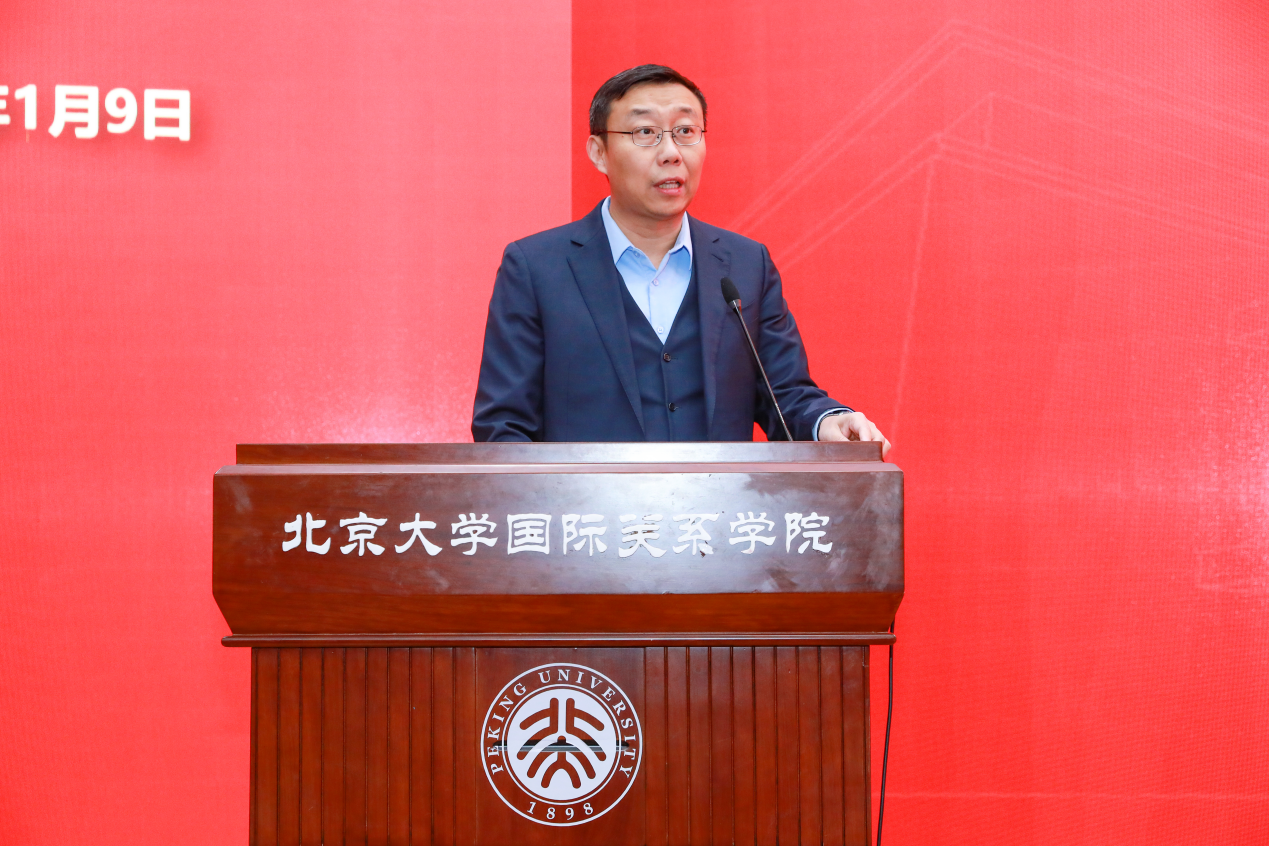
Kang Tao (Presiding)
In his opening remarks, Jiang Guohua affirmed the School’s recent achievements and outlined four key expectations for future development. First, he emphasized fostering virtue through education and guiding faculty to devote themselves to teaching in order to comprehensively enhance talent cultivation. Second, he called for strengthening academic orientation, reinforcing faculty development, supporting young scholars, and enhancing academic influence. Third, he underscored the importance of building high-level think tanks, deepening area and country studies, and improving policy advisory capacity. Fourth, he encouraged leveraging disciplinary strengths to expand two-way international cooperation. He stressed that the School leadership should continue strengthening strategic planning, talent recruitment and cultivation, and resource integration to elevate the School’s development to a new level.
Tang Shiqi delivered the annual work report, systematically reviewing progress achieved in 2025 across teaching, research, international exchange, and public service. In teaching, the School further deepened undergraduate education reform, advanced the integration of artificial intelligence into curricula, steadily promoted course and textbook development, and launched an interdisciplinary undergraduate joint program on “Foreign-Related Rule of Law and Global Governance” in collaboration with the Law School.
In research, the School achieved significant breakthroughs in high-level academic publications and major national research projects. Faculty publications and scholarly outputs reached a five-year high, while policy advisory services continued to rank among the top within the University. The School also advanced international joint education programs, deepened cooperation under initiatives such as the “Campus Asia” and “China–Japan–Korea + X,” strengthened academic exchanges among youth across countries, and reached a new high in the scale of internationalized education in recent years. Solid progress was also made in communications, student affairs, alumni engagement, administrative support, and continuing education.
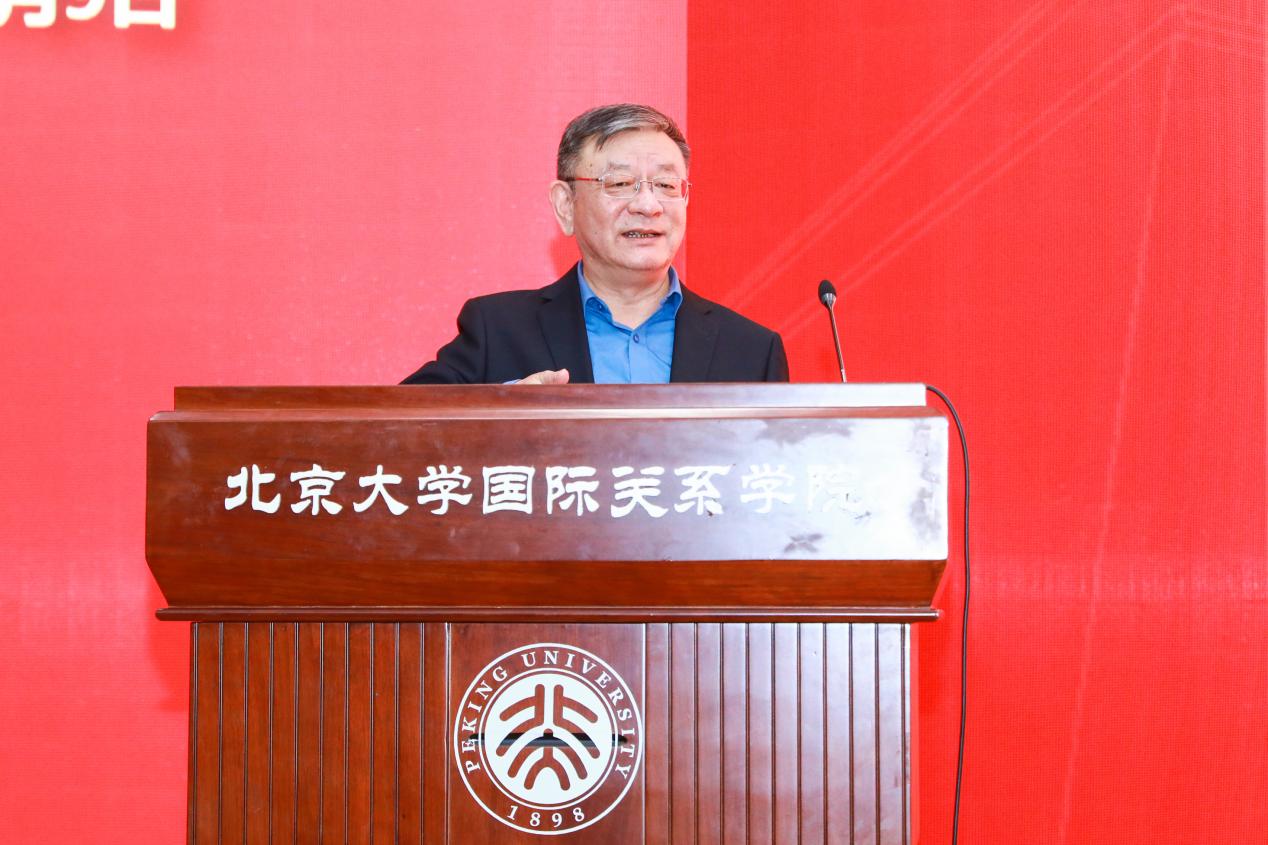
Tang Shiqi (Reporting)
During the session featuring university offices, Liu Jianbo delivered a keynote presentation titled “Reconstructing the Classroom in the Digital-Intelligent Era: AI Integration and Paradigm Transformation in Peking University’s Undergraduate Education.” He discussed the foundational logic of undergraduate education, the demands of the digital-intelligent era, and practical explorations in classroom reconstruction. He emphasized shifting from knowledge transmission to competence cultivation, advocating student-centered reform in teaching content, methods, and evaluation systems, and encouraged SIS faculty to lead pedagogical innovation in the humanities and social sciences.
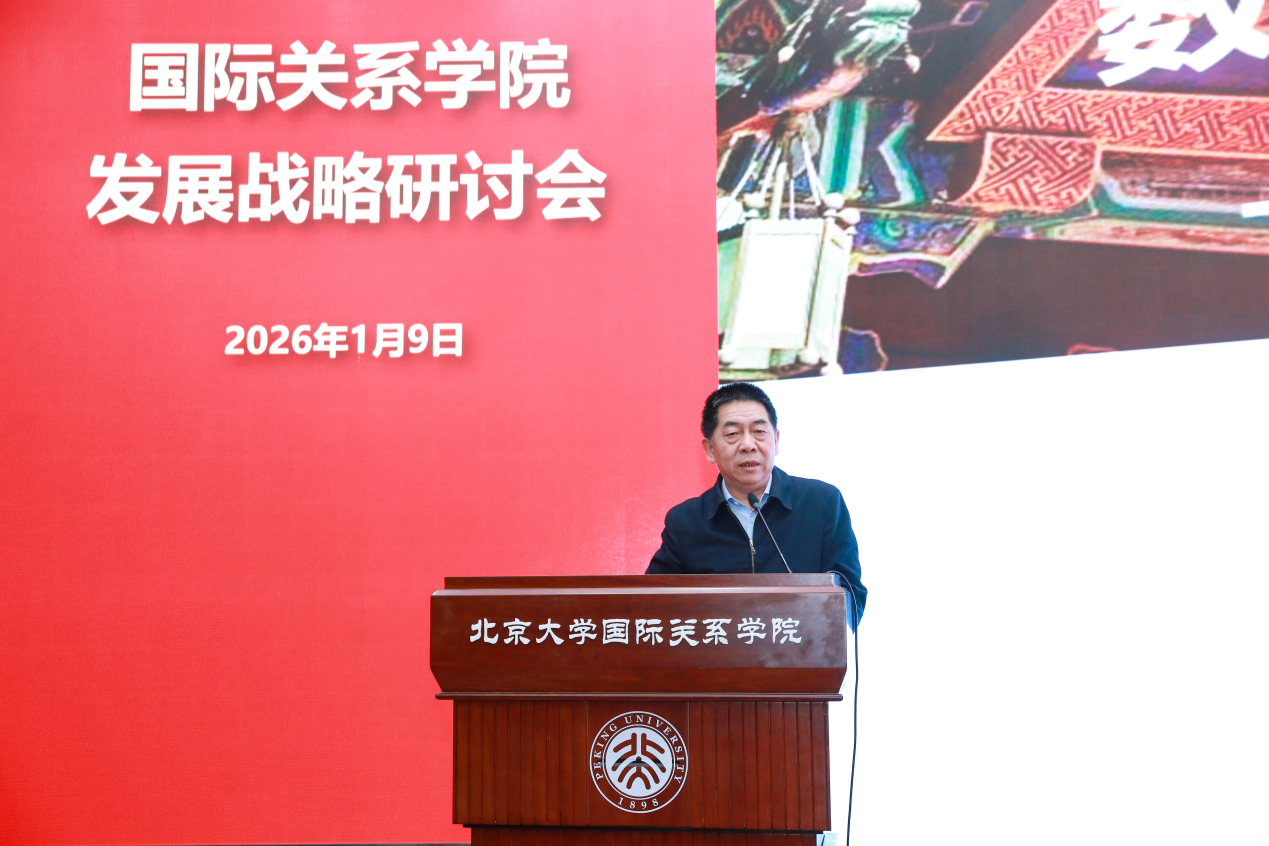
Liu Jianbo (Reporting)
Following the opening session, faculty members engaged in group discussions focusing on how, at the new starting point of the School’s 30th anniversary, to optimize disciplinary layout, refine distinctive strengths, and clarify development priorities and pathways. Representatives Xu Liang, Liu Lianlian, Jie Dalei, and Liu Lu reported on key issues and recommendations raised during the discussions.
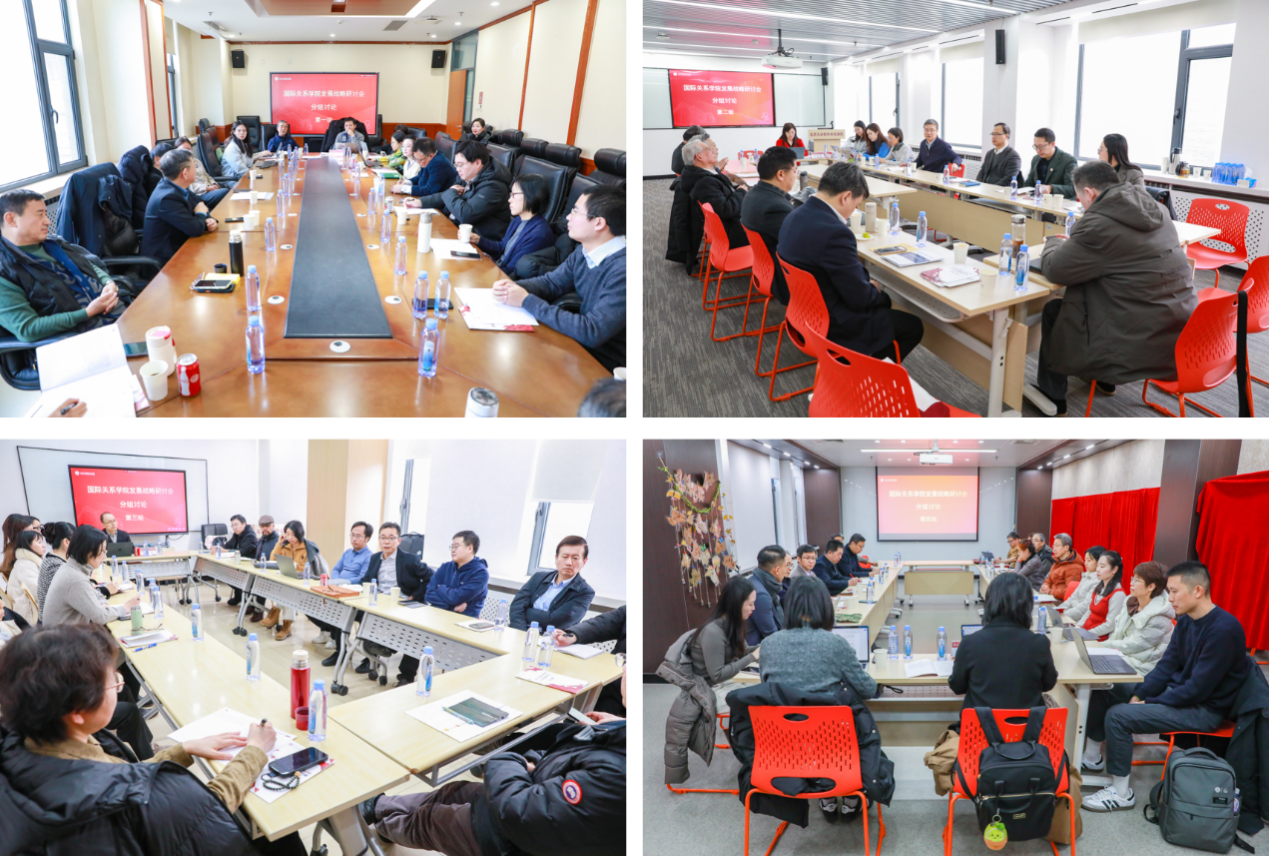
Group Discussion
During the awards ceremony, Zhang Haibin announced the recipients of the 2025 Research Publication Awards. Tang Shiqi then read the names of award-winning collectives and individuals and presented the 2025 “Outstanding Employee” awards. At the retirement ceremony, Tang Shiqi presented a certificate of honorary retirement to Liu Wei.
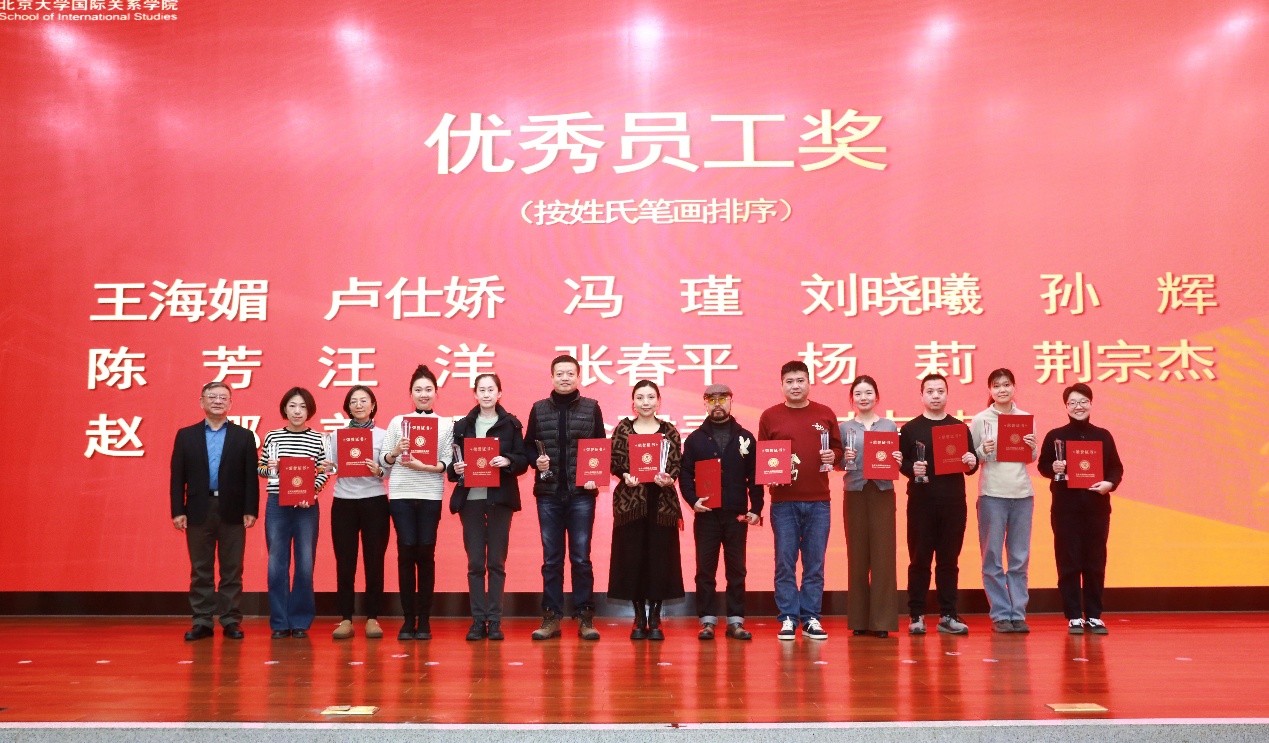
Award Ceremony
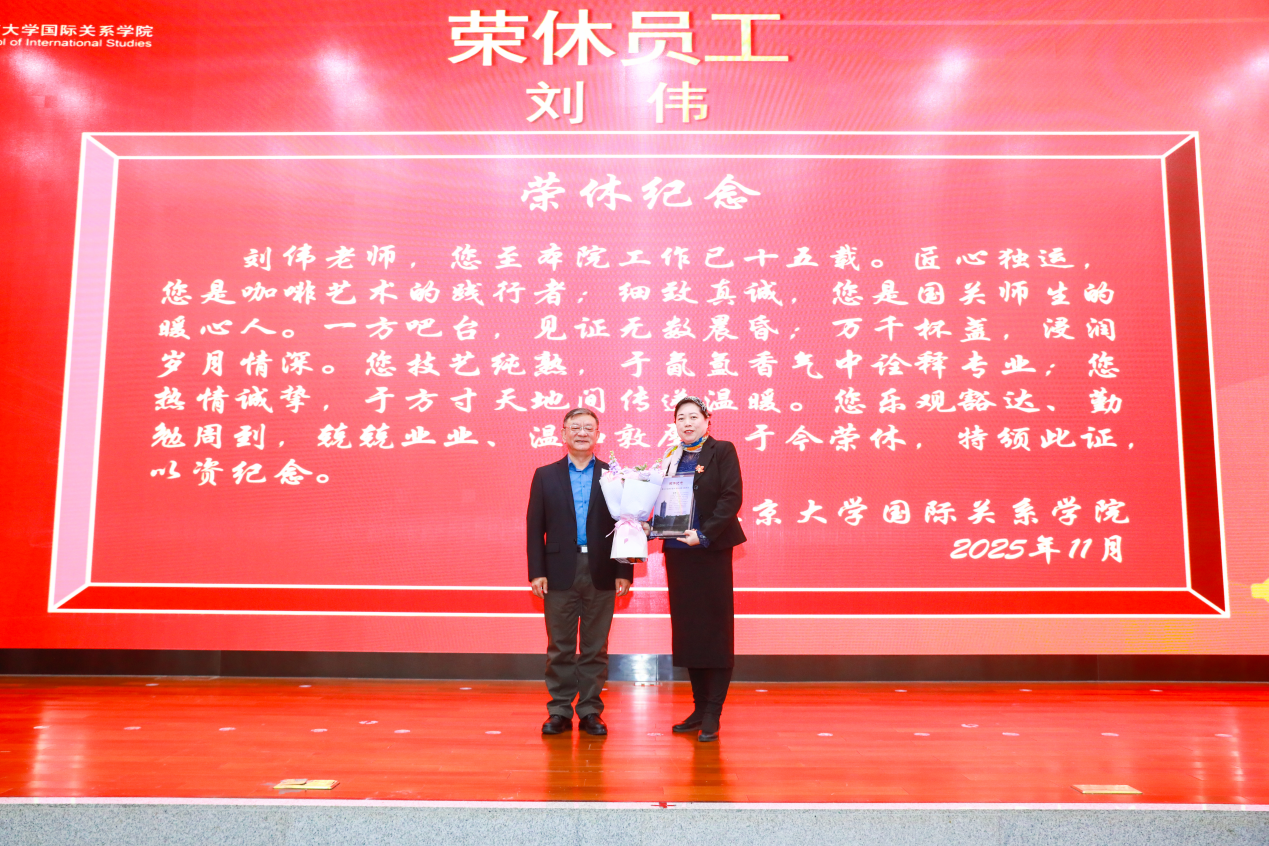
Certificate Presentation
Liu Jinzhi, on behalf of the Senior Faculty Teaching Supervision Group, delivered a feedback report on classroom observations conducted in 2025, offering suggestions for improvement in teaching attitude, content, and methodology.
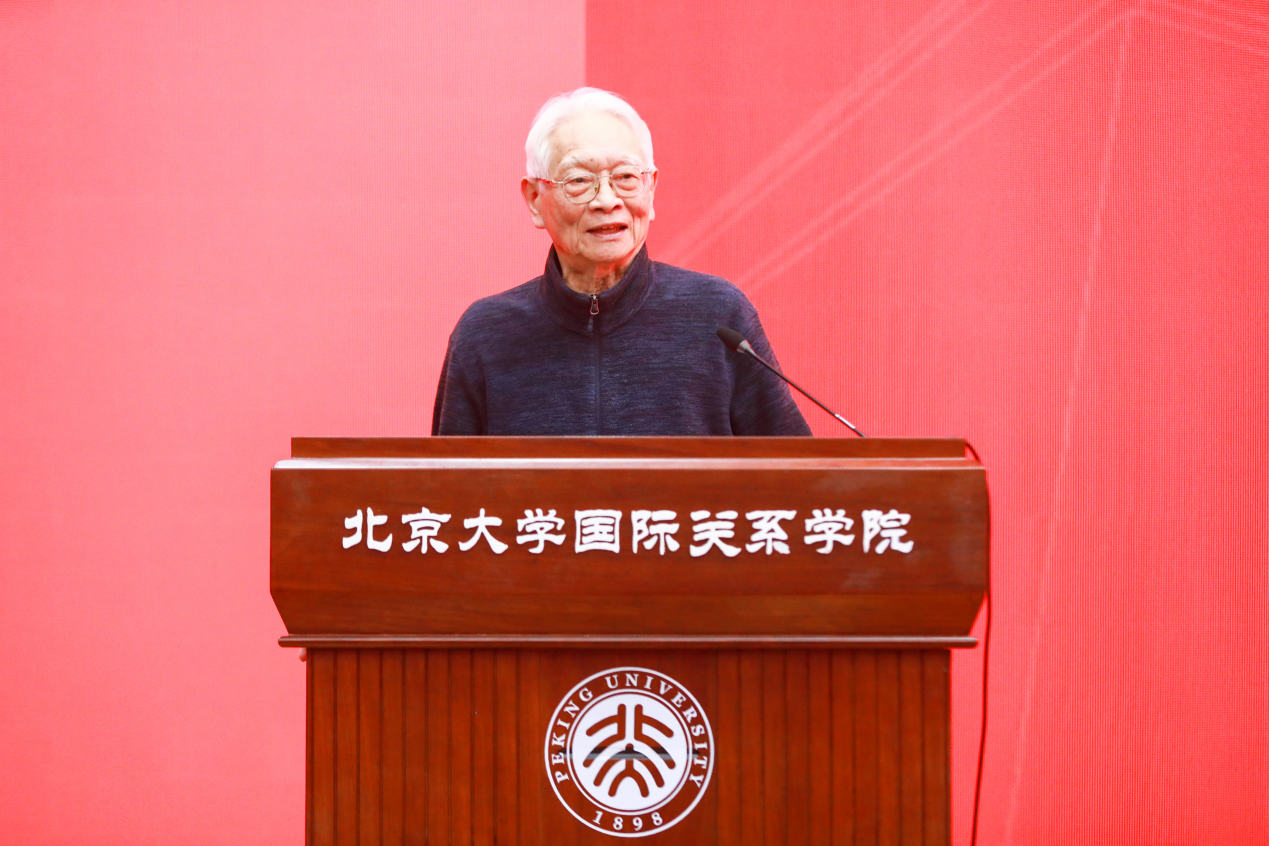
Liu Jinzhi (Reporting)
Gui Yongtao outlined priorities for teaching in 2026, including advancing undergraduate English-taught programs, strengthening textbook development (including key textbooks such as Diplomacy and International Political Economy), developing digital and curriculum-integrated ideological education materials, promoting interdisciplinary programs, constructing a MOOC in National Security Studies, improving graduate thesis management, supporting doctoral students’ participation in academic conferences, and organizing high-level doctoral forums.
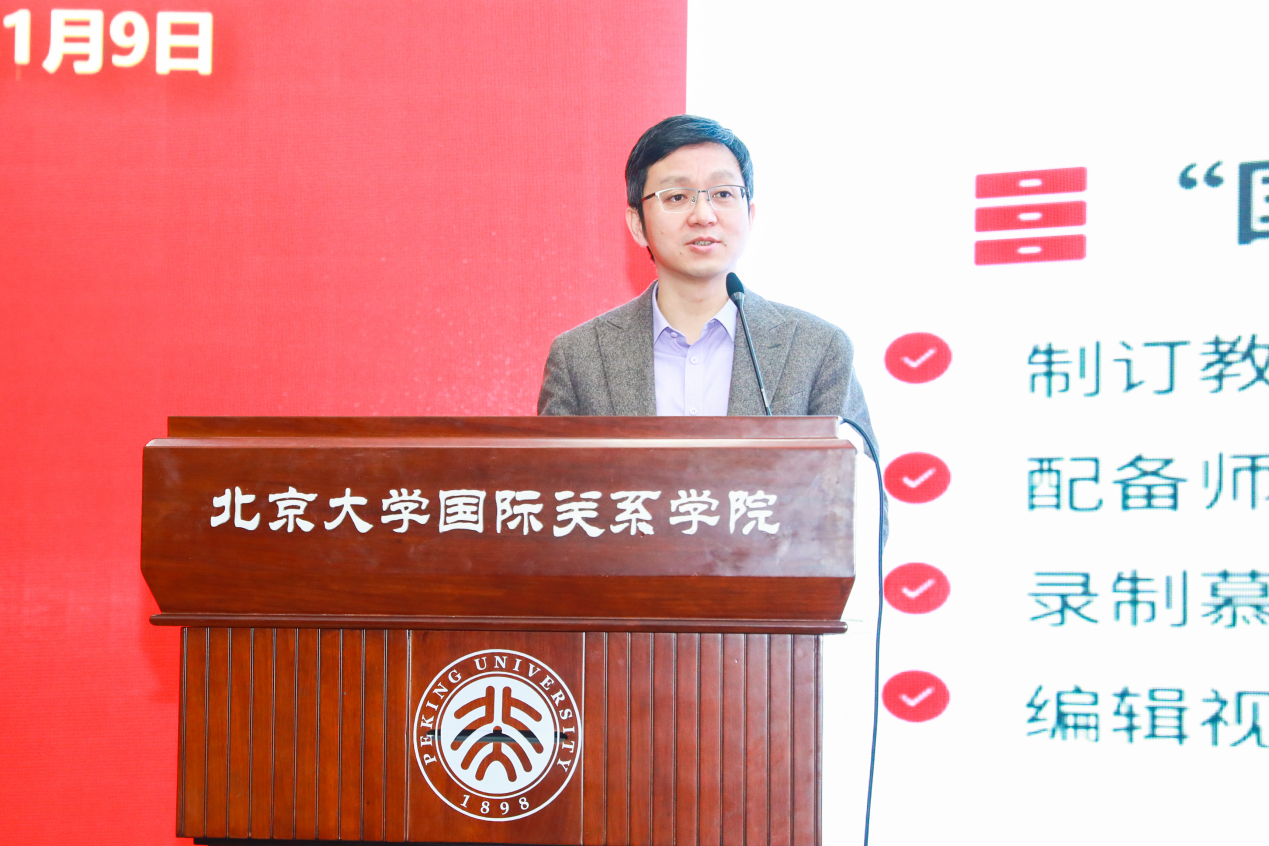
Gui Yongtao(Reporting)
Zhang Haibin stated that, taking the 30th anniversary as an opportunity, the School will host a series of academic events, including the “International Relations by SIS Scholars” Symposium, the National Forum of Deans of Schools of International Studies, and the International Relations Sub-Forum of the Beijing Forum. The School will further promote organized research and interdisciplinary collaboration, advance research reform, compile a series on innovations in international relations theory, enhance the academic service capacity of the journal International Politics Studies and the School Library, and expand its academic and policy influence.
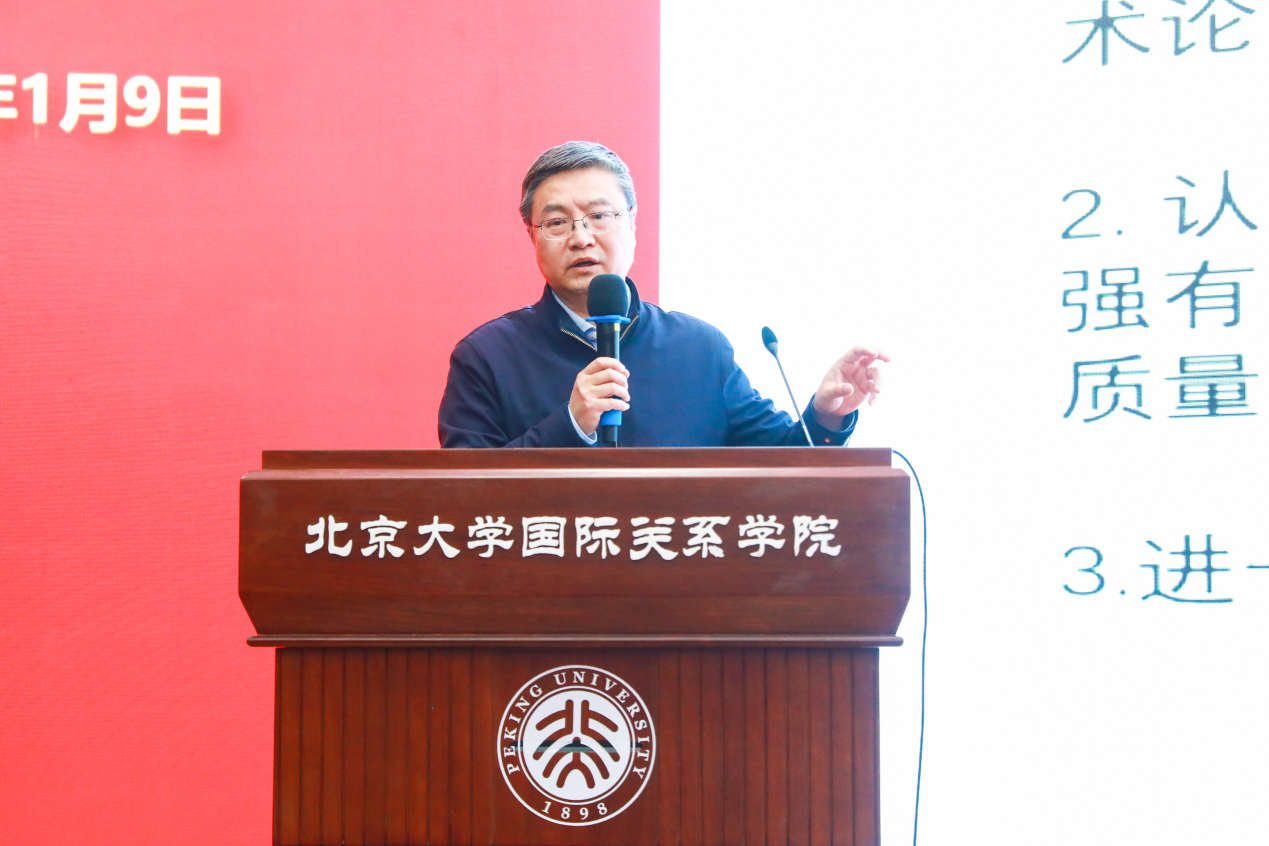
Zhang Haibin (Reporting)
Dong Zhaohua presented priorities for international exchange and cooperation in 2026. The School will deepen international joint degree programs, notably advancing the “Peking University–University of Turin” dual-degree program; expand “Campus Asia” Mode 4 cooperation; enrich the English-language course portfolio; strengthen the international faculty team through initiatives such as the Overseas Distinguished Scholars Lecture Program; co-develop “Campus Asia” joint courses; build an international academic community through the Eight-University East Asian Academic Forum; deepen cooperation with institutions such as Waseda University; publish English-language edited volumes; host high-level events including the PKU–LSE Roundtable and the Five-School Forum; and continue fulfilling its role as the China Secretariat of the “Campus Asia” program.
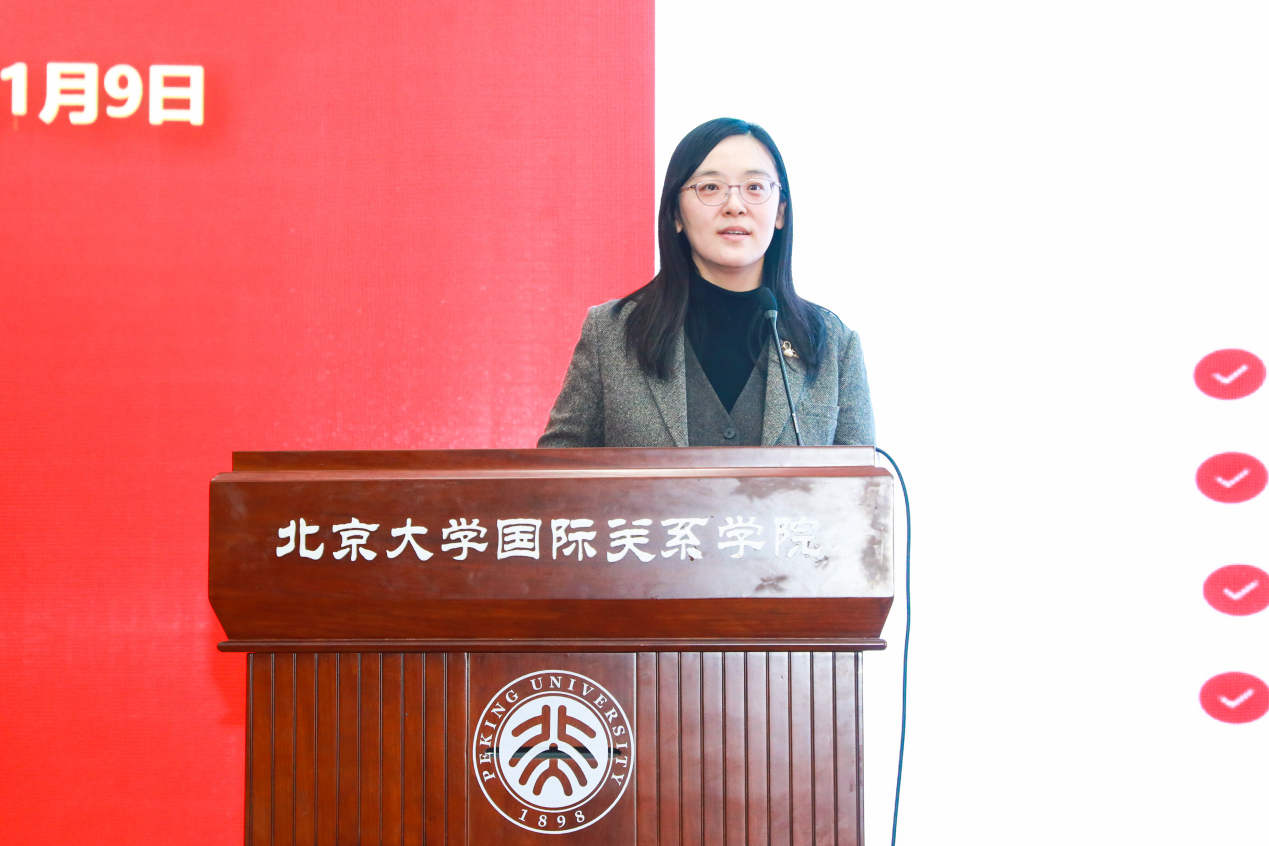
Dong Zhaohua(Reporting)
Zhu Yibo outlined administrative priorities for 2026, including infrastructure reinforcement and façade renovation of the School building, equipment upgrades for the Qiulin Lecture Hall, establishment of an alumni donor wall, digital literacy training for faculty and staff, enhancement of community-building initiatives, and comprehensive support for the 30th anniversary celebrations and major academic events.
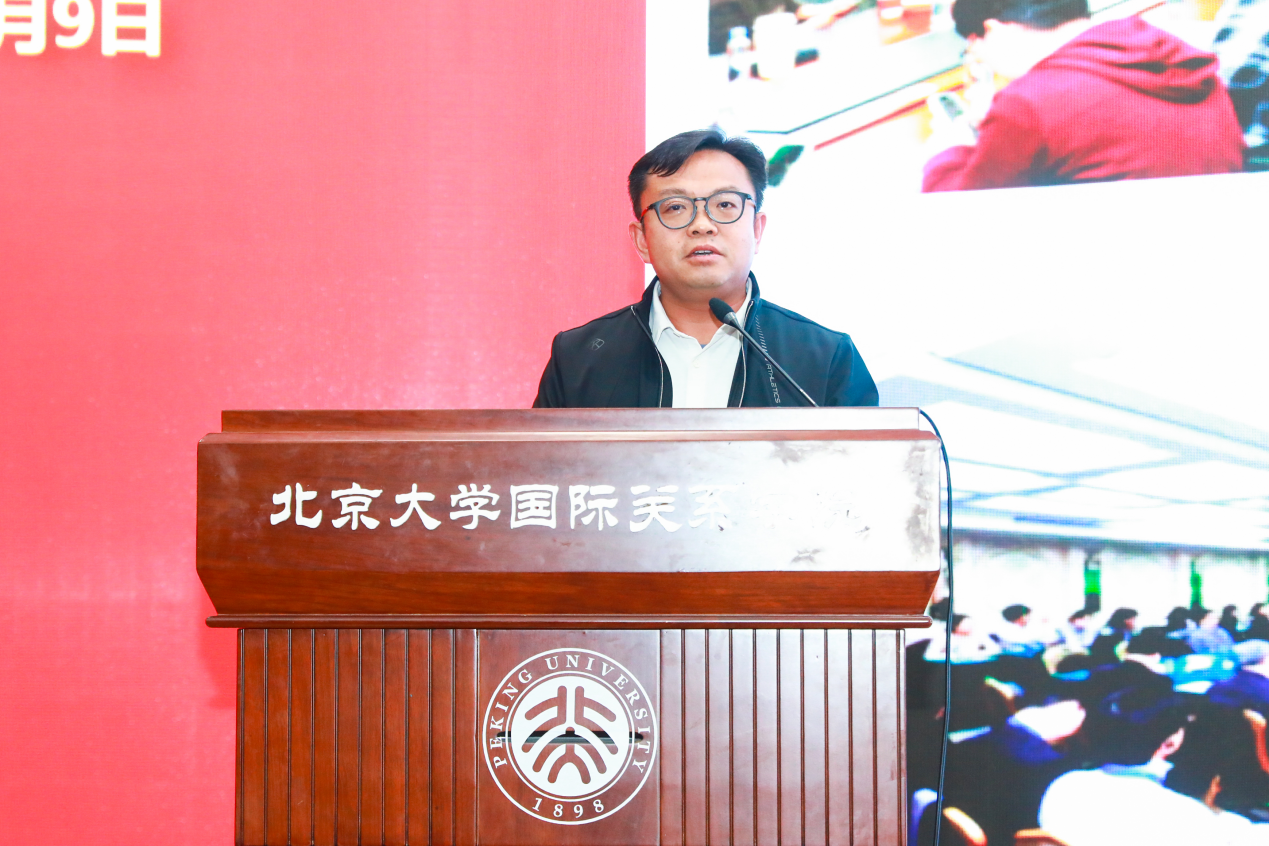
Zhu Yibo (Reporting)
Xiang Zuotao reported on financial planning and continuing education. Despite macroeconomic challenges and fiscal pressures in 2025, the School ensured stable faculty investment and compensation by optimizing existing resources and expanding funding channels. Looking ahead, the School will explore new growth areas, including programs supporting enterprises “going global,” to promote sustainable financial development.
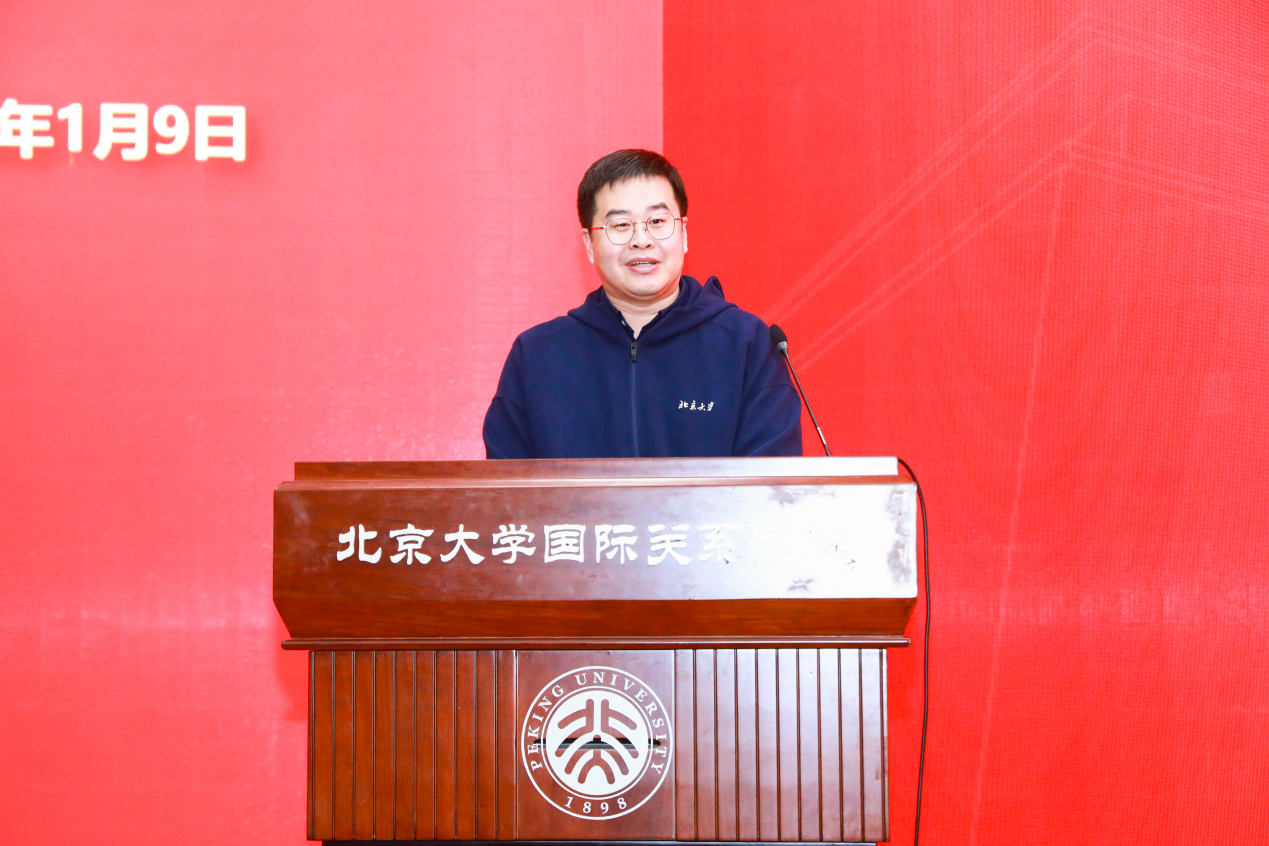
Xiang Zuotao (Reporting)
Zhang Xinyang introduced plans for student affairs, alumni engagement, and communications. Student affairs will integrate the School’s spirit into ideological and political education under the theme of the anniversary, organizing a cultural festival, summer social practice programs, and the “I-SISers” cross-cultural exchange initiative. Communications efforts will strengthen the new media matrix to provide comprehensive publicity support, while alumni work will convene the Sixth Members’ Representative Congress and Board Meeting to mobilize collective support for the 30th anniversary.
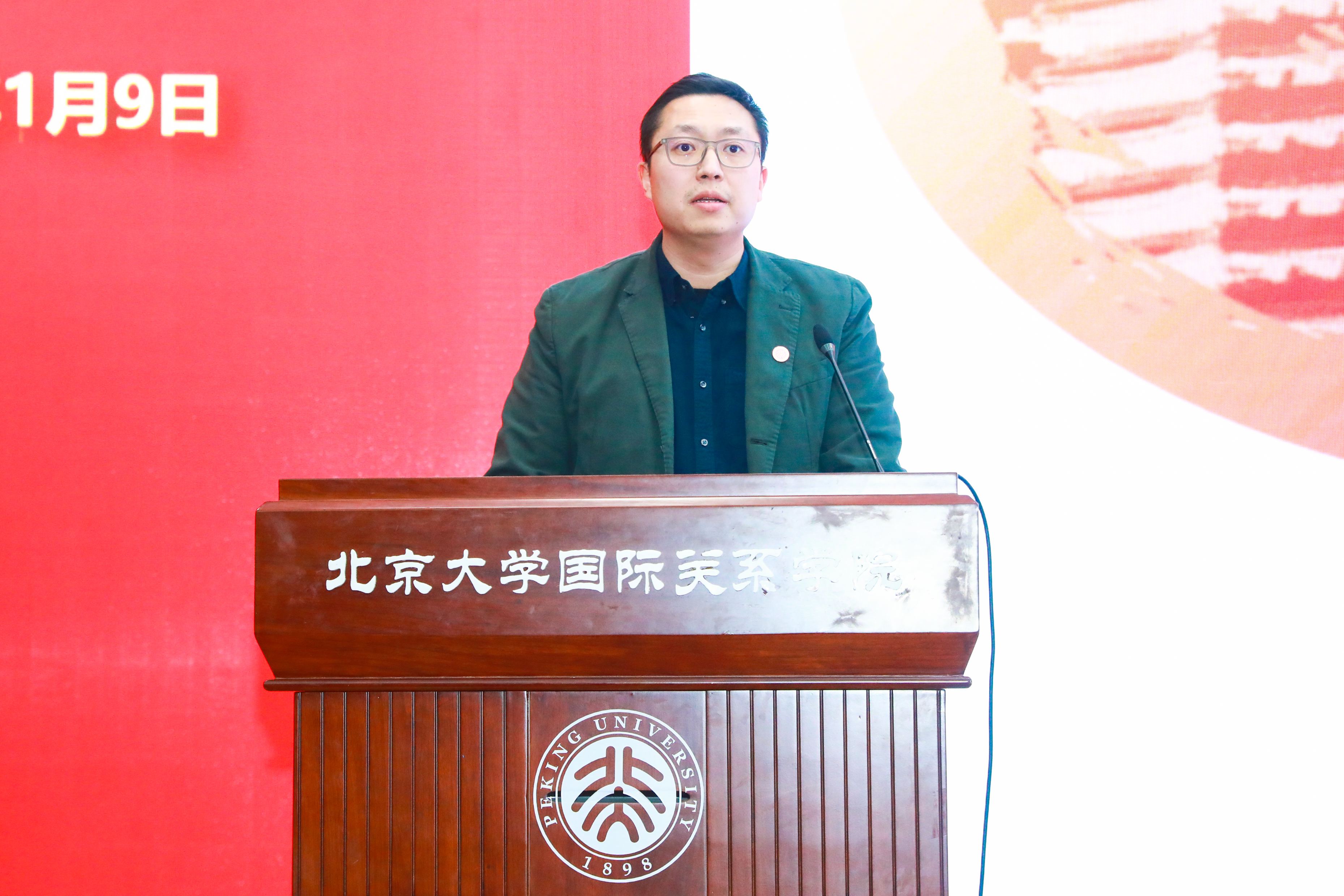
Zhang Xinyang (Reporting)
The year 2026 marks a pivotal stage in the School’s development. SIS will thoroughly implement national strategies on education, science and technology, and talent development; proactively serve national strategic needs; systematically plan disciplinary advancement; deepen comprehensive reform; and strive to open new horizons amid global transformation. Taking the 30th anniversary as a new starting point, the entire School community will work with unity and determination to advance all undertakings to a new level and contribute more significantly to national strategic goals and the University’s initiative.
Written by: Gao Jingwen
Photos by: PKU Photography Team
Edited by: Zhang Xinyang
Source: SIS News (Chinese)