


Professor Pang Xun (the School of International Studies at Peking University) and two co-authors recently published a research article, “China’s Bilateral Swap Agreements and Foreign Policy,” in the international journal Review of International Political Economy. The full text of the article is available at: https://www.tandfonline.com/doi/full/10.1080/09692290.2026.2627944
The study systematically examines the foreign policy implications of the global network of bilateral currency swap agreements (BSAs) established by China since 2008. BSAs provide pre-authorized liquidity support between central banks during periods of financial turbulence, constituting an institutionalized mechanism of financial risk insurance. Drawing on classic theories in international political economy on the spillover of international economic ties into bilateral political relations, the authors argue that China’s BSAs may reshape partner countries’ incentive structures and enhance their diplomatic alignment with China.
Importantly, the article delves into the pronounced heterogeneity among China’s swap partners and extends the classical “Hirschman effect”—the causal mechanism through which economic dependence generates political alignment—by theorizing the conditions under which such effects materialize. This framework generates theoretical predictions about how the political impact of BSAs varies according to key characteristics of partner states.
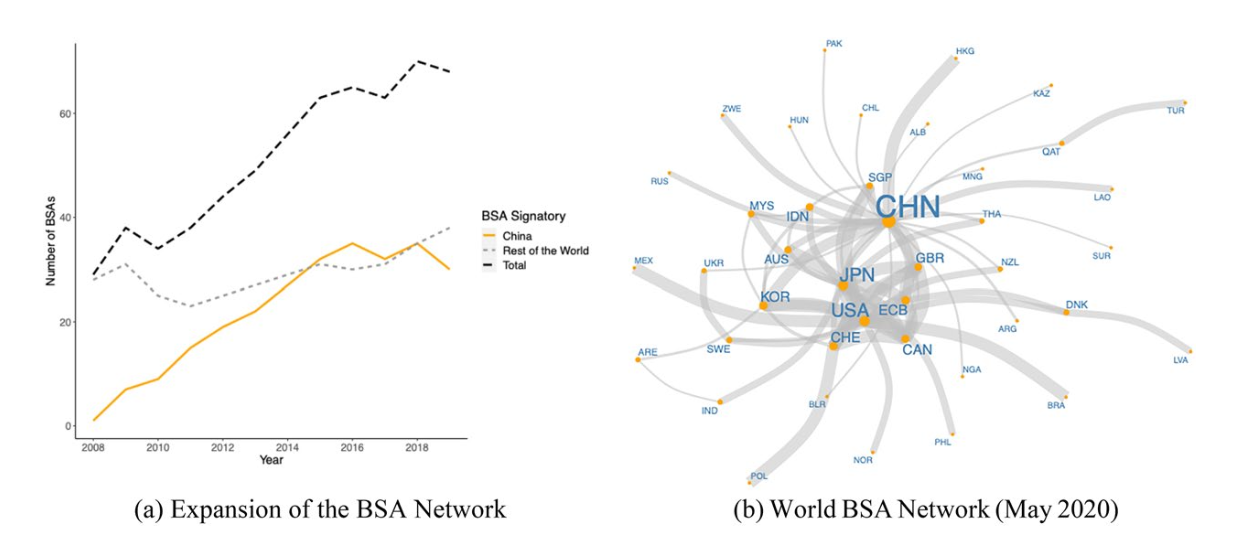
Figure 1. Formation and Expansion of the Global Bilateral Currency Swap Network
The authors compiled an original dataset of bilateral currency swap agreements signed worldwide between 2008 and 2020 and evaluated their diplomatic consequences within the structural context of the global financial safety net. To conceptualize and operationalize key variables, the study moves beyond the conventional indicators based on United Nations General Assembly (UNGA) voting similarity. Instead, it innovatively utilize the frequency of co-sponsorship of UNGA resolutions as a measure of diplomatic alignment, thereby enhancing analytical robustness.
Methodologically, the article adopts a nested research design and incorporates recent advances in causal inference. Using a Bayesian generalized synthetic control approach, the authors identify and compare causal effects at the aggregate, subgroup, and individual-country levels. The findings reveal substantial heterogeneity in the diplomatic effects of China’s BSAs across different groups of partner states, providing rigorous empirical tests of the theoretical hypotheses.
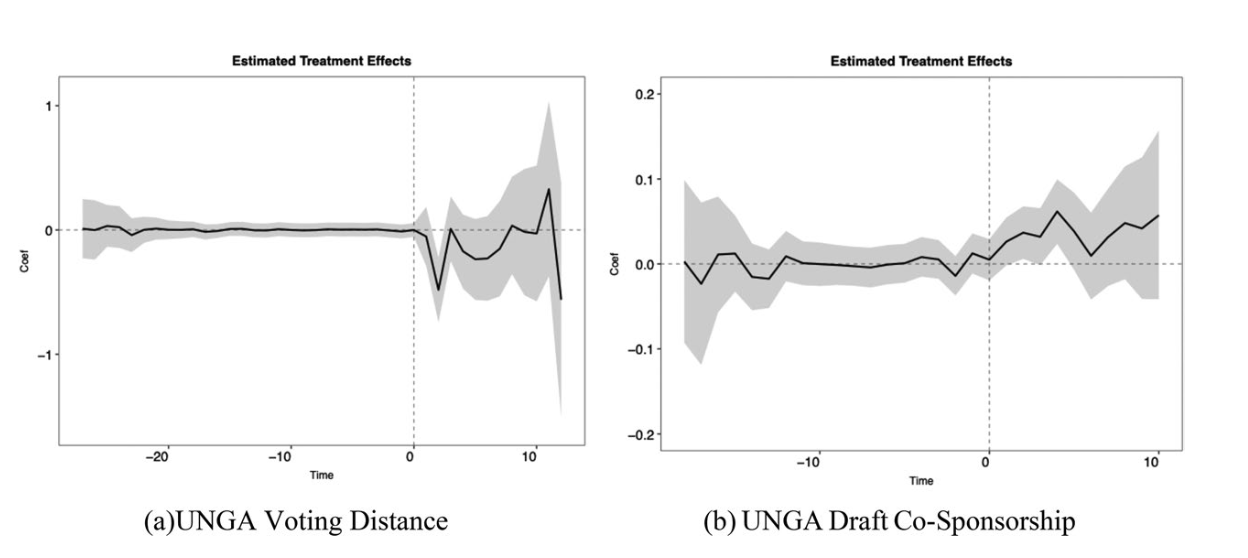
Figure 2. Causal Effects of China’s Bilateral Currency Swap Agreements on Diplomatic Alignment
The results indicate that, on average, signing a BSA increases short-term diplomatic alignment with China. However, as bilateral cooperation deepens, this alignment becomes statistically insignificant in multilateral settings, resulting in a lack of temporal persistence in the average causal effect. Further comparative analysis at the country level shows that the short- and medium-term effects are concentrated among partners with relatively fragile financial systems and among states that were already more supportive of China’s global leadership prior to the agreement.
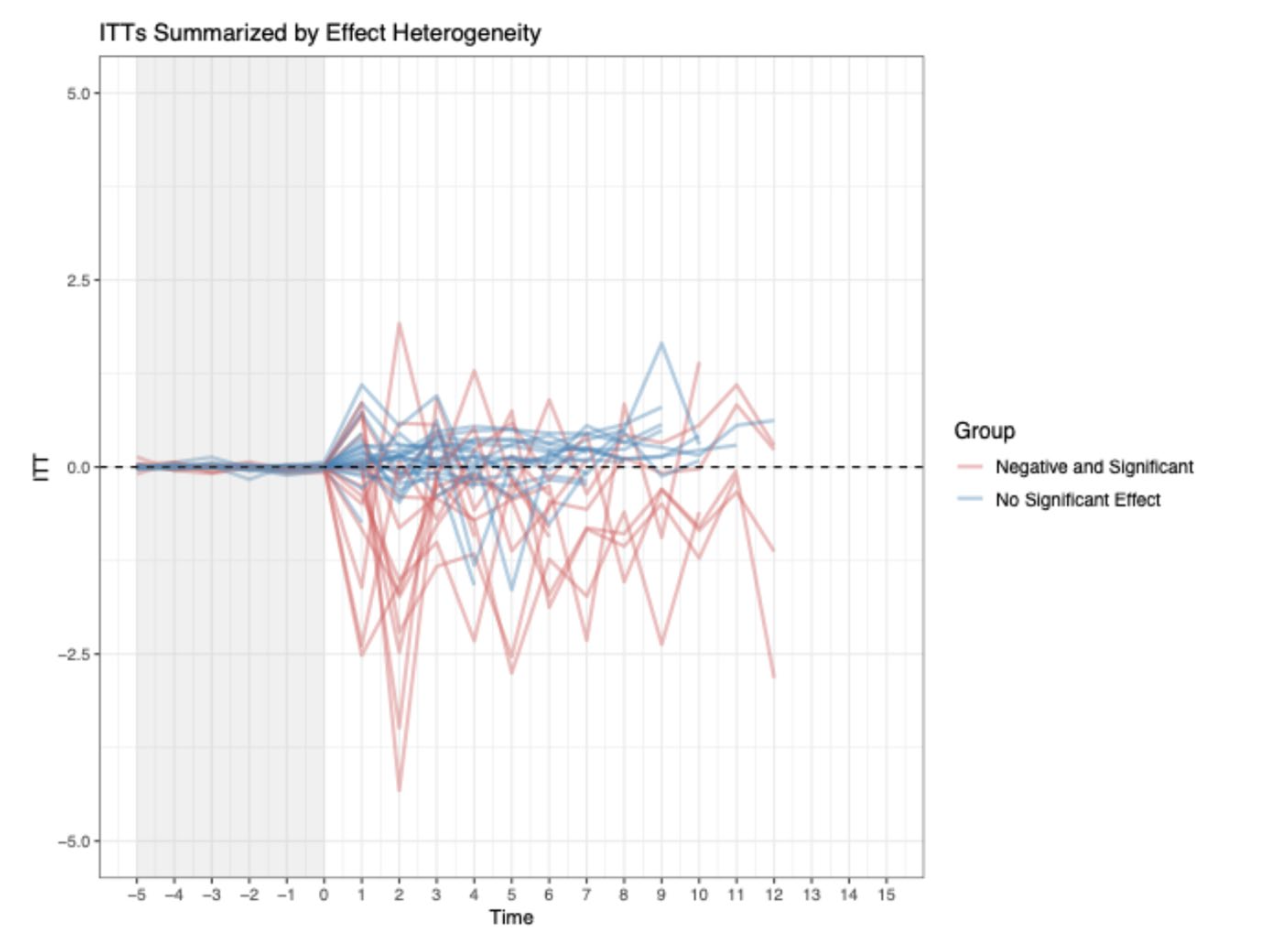
Figure 3. Highly Heterogeneous Individual-Level Effects
In conclusion, the study underscores the far-reaching implications of China’s expanding swap network for the future architecture of global financial governance. For countries occupying marginal positions within the existing financial governance system and lacking external insurance mechanisms, China’s swap arrangements provide critical and difficult-to-substitute financial security support. Beyond reshaping the conceptual and structural foundations of the global financial safety net, these arrangements may also contribute to the evolution of new forms of international relations.
The article is co-authored by Liu Qi, Ph.D. candidate in the Department of Government at Harvard University, and James V. Vreeland, Professor at the School of Public and International Affairs at Princeton University.
Review of International Political Economy is a leading peer-reviewed journal in the field of international political economy. According to the Web of Science Journal Citation Reports, its latest impact factor ranks in the top quartile (Q1) across key categories including political science, international relations, and economics.
Written by: Pang Xun
Edited by: Wang Yumeng
Source: SIS News (Chinese)